Why Religious Communities Advocate for Traditional Families
Understanding the Importance of Traditional Families
Religious communities have long been advocates for traditional family structures. This advocacy is rooted in deeply held beliefs that view the family as the basic unit of society. Traditional families, often defined as a married couple and their biological or adopted children, are seen as vital for nurturing and sustaining key values.
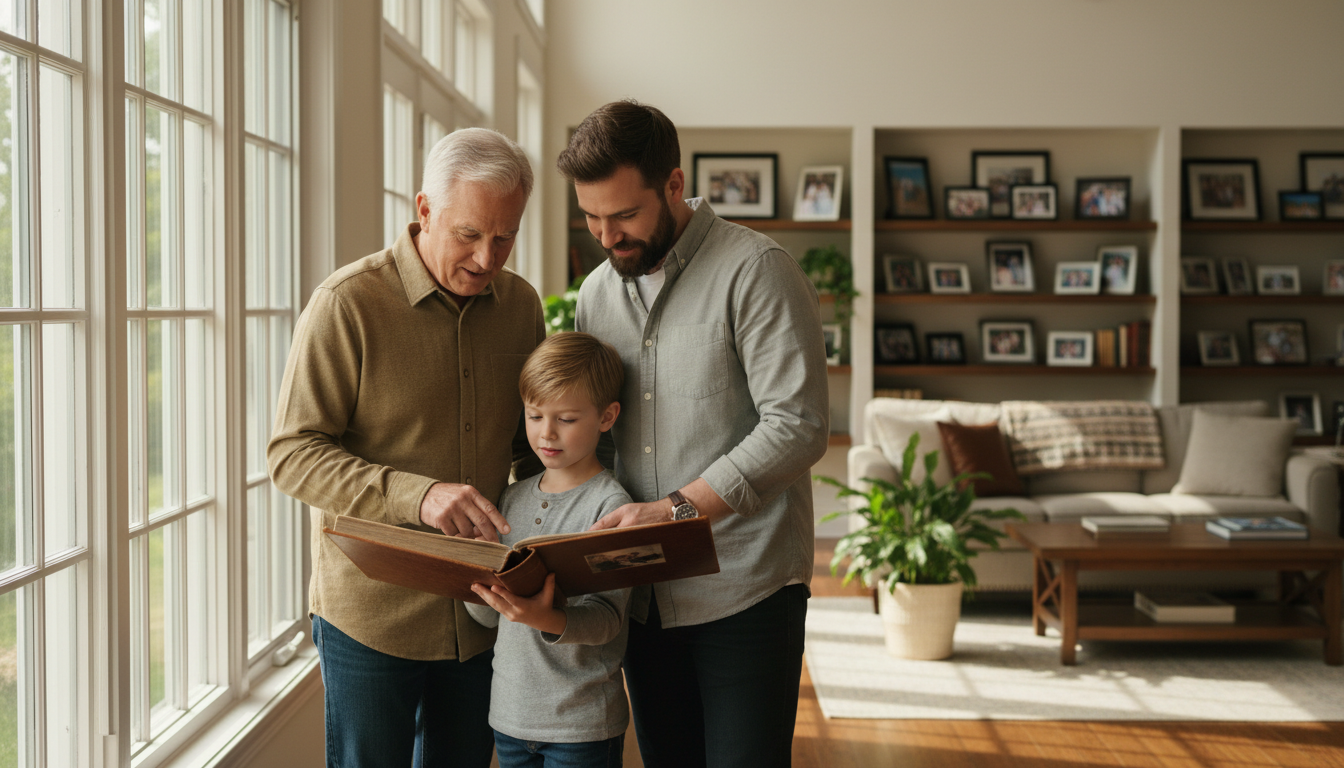
One of the primary reasons religious communities promote traditional families is the belief in the stability and support they provide. A traditional family structure is often associated with a stable environment for raising children, characterized by consistent parental roles and responsibilities. This structure is believed to foster continuity and security, which can be beneficial for children's development.
The Role of Faith in Family Advocacy
Faith plays a significant role in shaping the views of religious communities on family structures. Many religious doctrines outline specific roles and responsibilities for family members, emphasizing the significance of marriage and parenting. These teachings often highlight the sanctity of marriage as a divine institution that should be preserved and respected.

In addition to religious texts, communal practices and traditions also support the concept of traditional families. By upholding these traditions, religious communities aim to maintain a sense of identity and continuity, which is often seen as a reflection of their commitment to spiritual values.
Benefits of Traditional Families
Religious communities argue that traditional families offer numerous benefits that extend beyond the immediate family members. These benefits include emotional support, economic stability, and a reliable foundation for imparting cultural and moral values. By fostering strong family ties, communities believe they can cultivate a more harmonious and cohesive society.
Moreover, traditional family structures are often seen as a defense against societal issues such as crime and poverty. The belief is that a strong family unit can provide guidance and support, reducing the likelihood of individuals engaging in detrimental behaviors.

Challenges and Criticisms
Despite the advocacy for traditional families, there are challenges and criticisms associated with this perspective. Critics argue that the traditional family model may not accommodate diverse family structures that exist today, such as single-parent families, blended families, and same-sex partnerships. They suggest that a more inclusive approach could better reflect contemporary societal needs.
Religious communities, however, often respond by emphasizing the adaptability of traditional family values. They assert that while the family structure may evolve, the core principles of love, commitment, and responsibility remain relevant.
Conclusion: A Continued Commitment
The commitment of religious communities to advocate for traditional families is driven by a desire to uphold what they perceive as time-honored values. By promoting these family structures, they aim to foster environments where individuals can thrive emotionally, socially, and spiritually.
As society continues to evolve, the dialogue around family structures will likely persist. However, the steadfast dedication of religious communities to traditional families underscores their enduring belief in the importance of these foundational units.