Why Do Christians Oppose Same-Sex Marriage? A Deep Dive into Faith-Based Beliefs
Understanding Christian Perspectives
Many Christians oppose same-sex marriage based on their interpretation of religious texts and deeply held faith-based beliefs. These views are often rooted in the teachings of the Bible, which many Christians regard as the ultimate authority on moral and ethical issues. The Bible contains passages that are interpreted as condemning homosexual behavior, and for many, these passages form the foundation of their opposition to same-sex marriage.
In addition to scriptural teachings, the traditional Christian understanding of marriage plays a significant role. Historically, marriage has been viewed as a sacred covenant between a man and a woman, reflecting the relationship between Christ and the Church. This complementary partnership is seen as essential to the Christian understanding of family and procreation.
Scriptural Interpretations
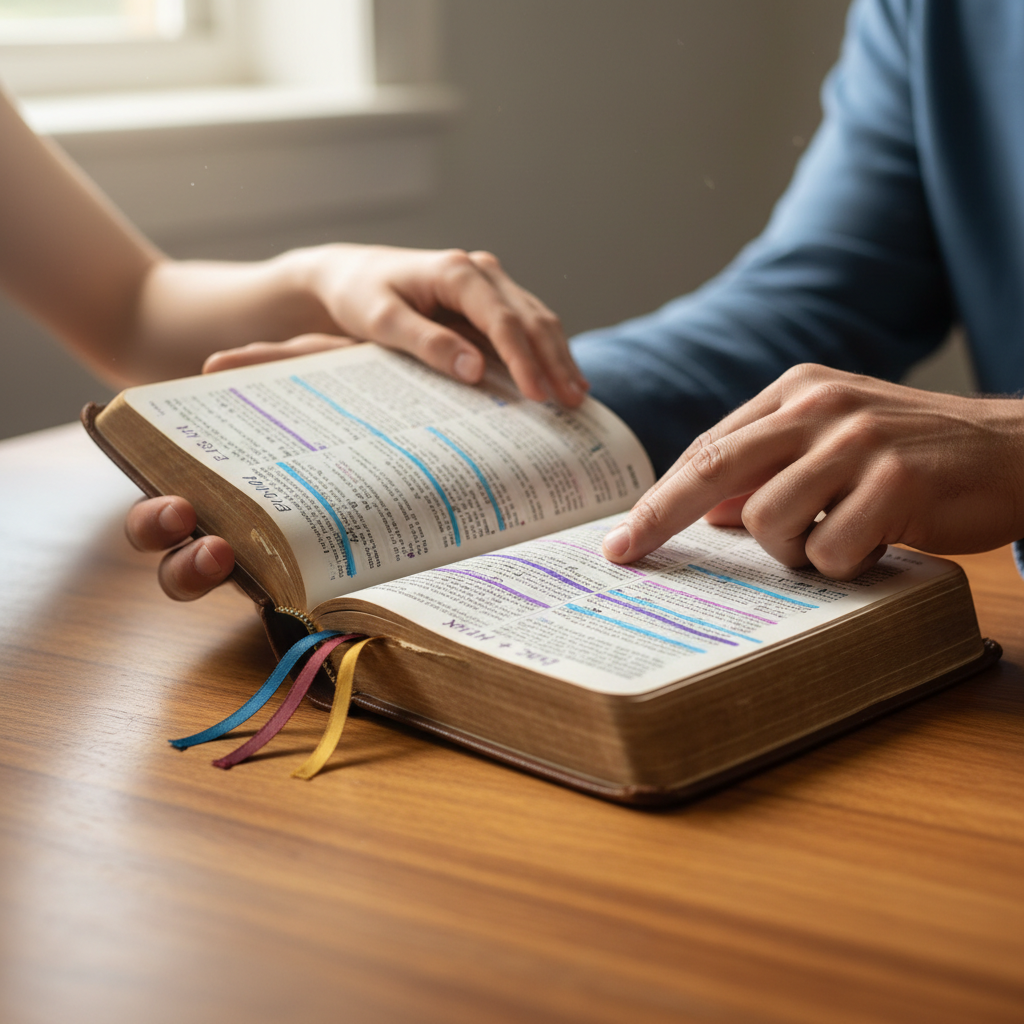
Central to the Christian opposition to same-sex marriage are several key biblical passages. For instance, the Book of Leviticus in the Old Testament describes certain same-sex acts as sinful. Similarly, in the New Testament, the letters of Paul include references that have been interpreted as opposing homosexual behavior.
These texts are often cited by Christians who believe that adhering to biblical teachings is vital to maintaining their faith and moral values. It's important to note that interpretations can vary widely, and not all Christians agree on the meaning or relevance of these passages today.
Traditional Marriage and Family
For many Christians, marriage is not just a social contract but a divine institution. The idea that marriage is intended to be between one man and one woman is seen as foundational to Christian doctrine. This belief is often linked to the creation narrative in the Book of Genesis, where God creates Eve for Adam, establishing the first marital relationship.
In this context, marriage is also seen as a means of fulfilling the divine command to "be fruitful and multiply." The procreative aspect of marriage is emphasized, reinforcing the belief that marriage should be between a man and a woman.
Cultural and Social Considerations
Beyond religious texts, cultural and social factors also influence Christian opposition to same-sex marriage. Many Christians view the traditional family structure as a stabilizing force in society. They argue that altering the definition of marriage could have unforeseen consequences on the social fabric.
Furthermore, some Christians express concerns about religious freedom and the potential for conflicts between their beliefs and legal requirements to recognize same-sex marriages. This has led to broader discussions about the balance between civil rights and religious liberties.

Dialogue and Diversity Within Christianity
It's important to recognize the diversity of opinion within the Christian community regarding same-sex marriage. While some denominations and congregations maintain traditional views, others have embraced more inclusive interpretations. This diversity reflects broader changes in societal attitudes toward LGBTQ+ rights.
Open dialogue and ongoing theological reflection are essential for addressing these complex issues. Many Christians are actively engaging in conversations about how to reconcile their faith with a commitment to love and acceptance for all individuals.
Ultimately, the Christian perspective on same-sex marriage is shaped by a combination of scriptural interpretation, theological beliefs, and cultural influences. Understanding these elements can foster more informed discussions and respectful dialogue on this deeply personal and often contentious topic.