Why Do Christians Oppose Gay Marriage? Insights from Hillsboro
Understanding the Opposition to Gay Marriage
In exploring why some Christians oppose gay marriage, it's essential to understand the roots of their beliefs. Many Christians adhere strictly to biblical teachings, which they interpret as defining marriage exclusively as a union between a man and a woman. This interpretation is often cited as the primary reason for their opposition.
For these Christians, marriage is not just a legal contract but a sacred covenant designed by God. They believe that altering this definition undermines a fundamental aspect of their religious doctrine.

The Role of Tradition and Culture
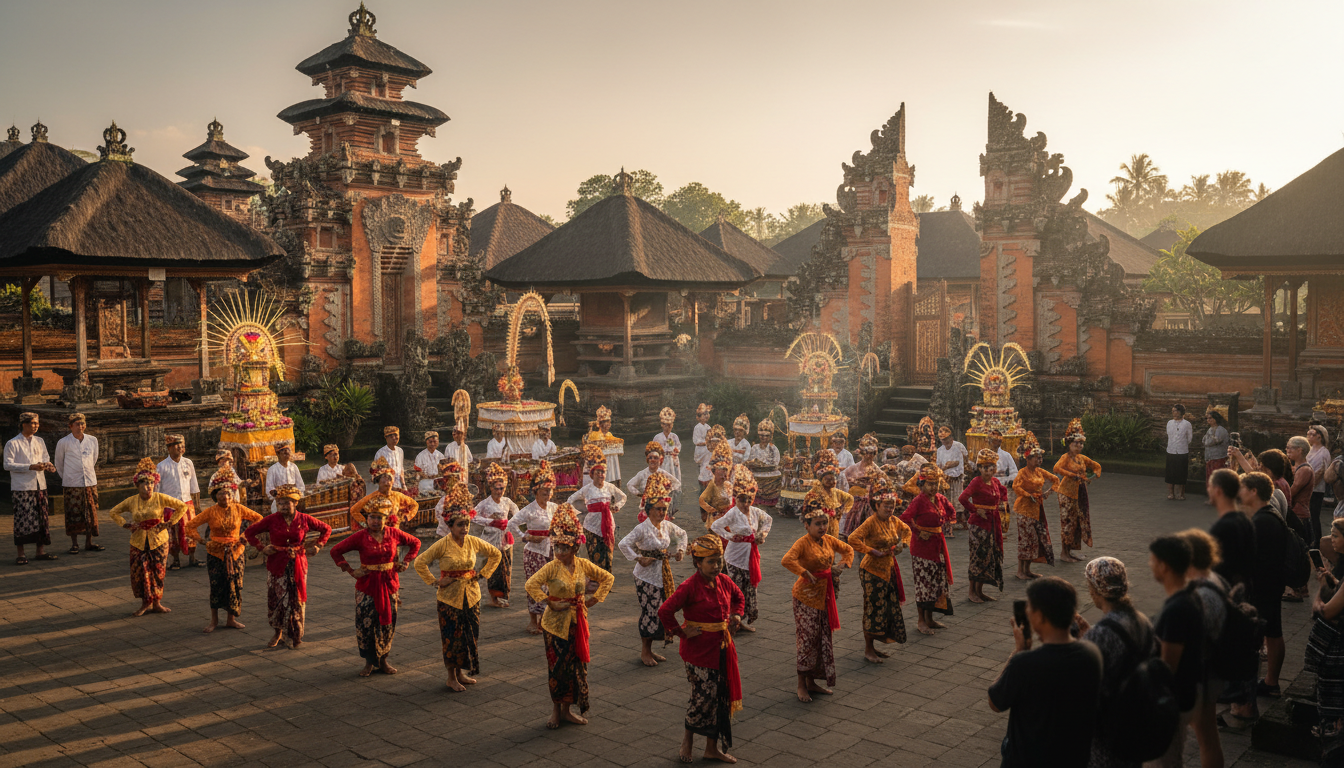
Tradition and cultural values play a significant role in shaping opinions within religious communities. In Hillsboro, as in many other places, Christian teachings have been interwoven with local culture for generations. Many community members see upholding traditional marriage as preserving their cultural and religious heritage.
This perspective is not limited to older generations. Many younger Christians also embrace these values, viewing them as a vital part of their identity. This strong sense of cultural continuity often fuels opposition to changes in marriage laws.
Theological Interpretations
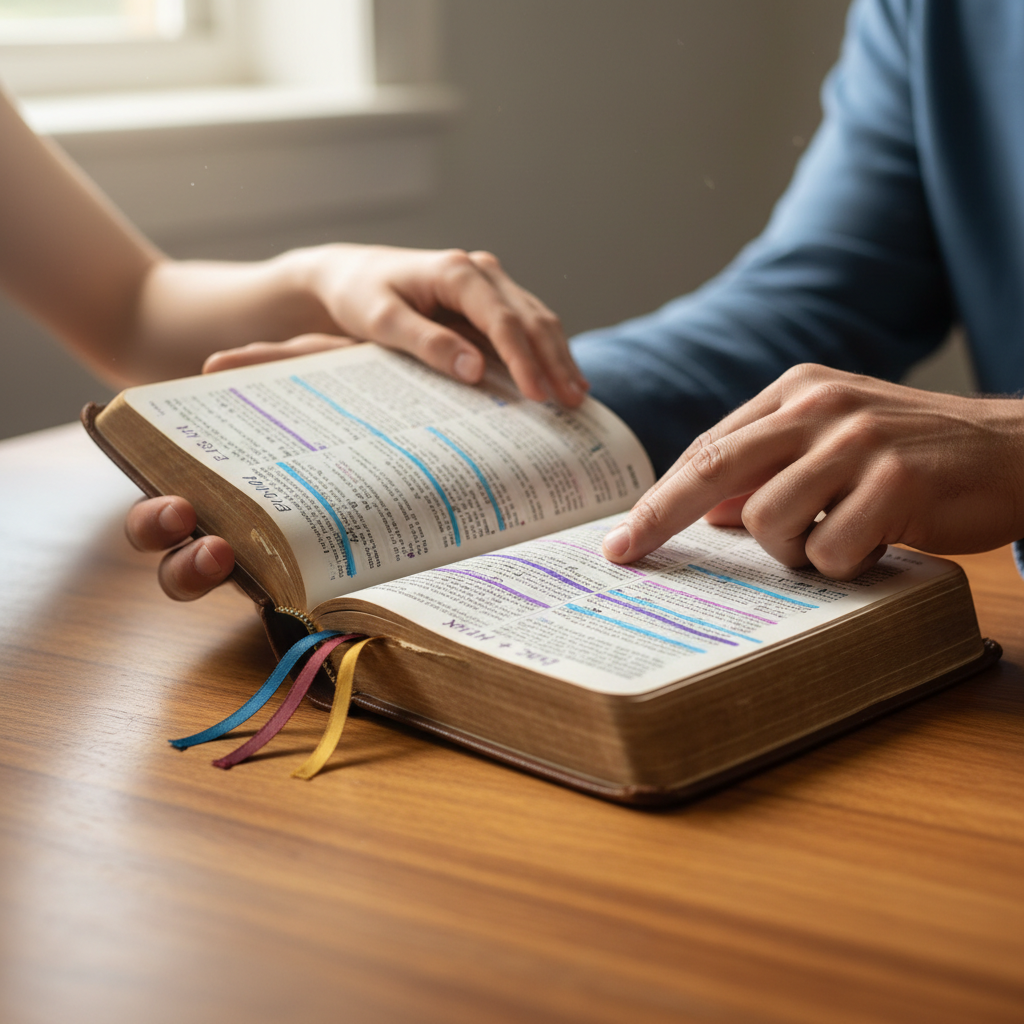
Another layer of opposition is rooted in theological interpretations. Different denominations and sects may interpret biblical texts in varied ways, but those opposing gay marriage often cite scriptures they believe explicitly define marriage as heteronormative.
These interpretations can vary significantly even within Christianity, leading to diverse opinions among believers. However, those opposing gay marriage often emphasize that their stance is not about exclusion but about adhering to their understanding of divine commandments.
The Influence of Religious Leaders
Religious leaders in Hillsboro and beyond play a crucial role in shaping their congregations' views on gay marriage. Pastors, priests, and other figures often serve as the moral compass for their communities, providing guidance based on their understanding of religious texts.
When religious leaders speak out against gay marriage, they often frame it as a matter of maintaining religious integrity and fidelity to their interpretation of God's design for human relationships.
Community and Social Dynamics
The opposition to gay marriage in Christian communities is also influenced by broader social dynamics. Many Christians feel that their values are increasingly marginalized in a rapidly changing society. Standing against gay marriage can be seen as a way to assert their beliefs in the public sphere.
This sense of being under siege can galvanize communities to rally around traditional values, often leading to more vocal opposition to changes in marriage laws.
Dialogue and Understanding
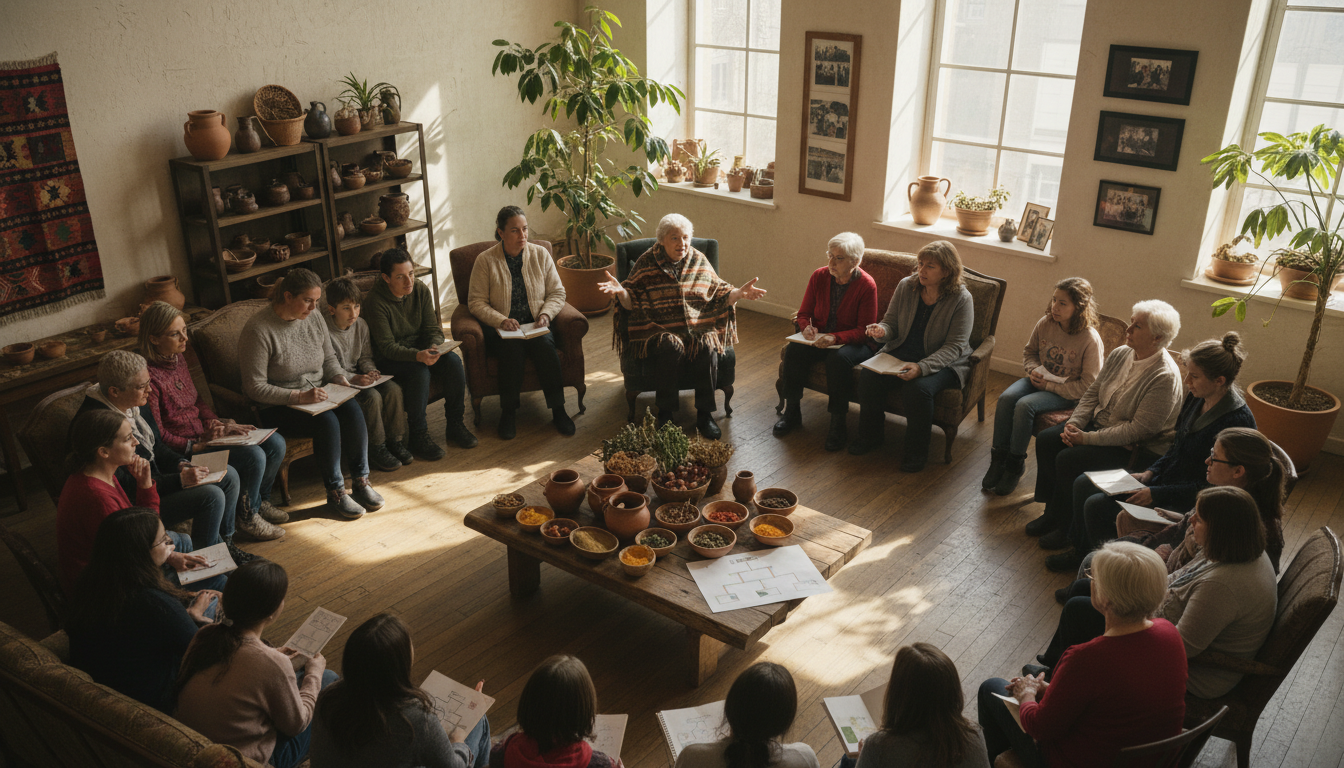
Despite the opposition, there are ongoing dialogues within Christian communities about the nature and future of marriage. Some Christians advocate for a more inclusive interpretation of biblical teachings, aiming to reconcile their faith with a broader understanding of love and commitment.
These discussions are essential for fostering mutual understanding and respect among diverse groups. They highlight the evolving nature of religious interpretations and the potential for change over time.
In conclusion, understanding why some Christians oppose gay marriage requires a nuanced exploration of religious beliefs, cultural traditions, theological interpretations, and social dynamics. While the opposition is deeply rooted in faith, it is also shaped by a complex interplay of factors that continue to evolve.