Why Christians Oppose Same Sex Marriage: A Faith-Based Perspective
Understanding the Faith-Based Perspective
For many Christians, the opposition to same-sex marriage is deeply rooted in their faith and understanding of biblical teachings. This perspective is not merely about legal or social views but is intertwined with religious beliefs that have been held for centuries.
One of the primary reasons Christians may oppose same-sex marriage is their interpretation of scripture. Passages in the Bible, particularly in the Old and New Testaments, are often cited as affirming marriage as a union exclusively between a man and a woman. This interpretation forms a cornerstone of their belief system.

The Importance of Traditional Marriage
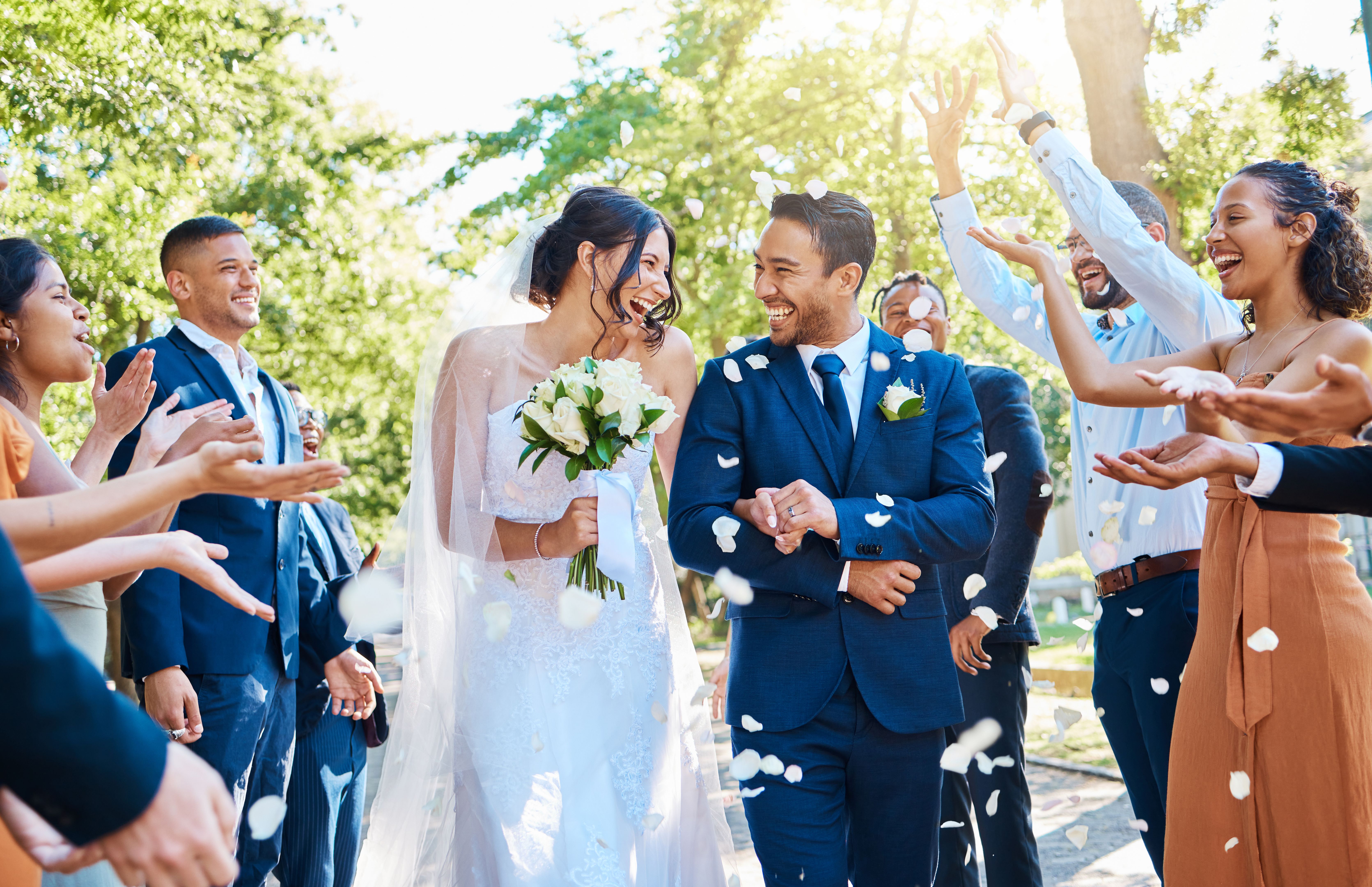
Traditional marriage, defined as a union between one man and one woman, is seen by many Christians as a reflection of God’s design. They believe that this model of marriage is not only biblically ordained but also serves a specific purpose in the natural order and societal structure.
For many, marriage is considered a sacred institution that mirrors the relationship between Christ and the Church. This metaphor is emphasized in Christian teachings and is seen as a spiritual partnership that goes beyond mere legal recognition.
Family and Procreation
Another significant factor in the opposition to same-sex marriage is the belief in the traditional family structure. Many Christians hold that marriage is fundamentally linked to procreation and raising children within a family framework designed to reflect biblical principles.
While not all marriages result in children, the potential for procreation and the nurturing environment a traditional family provides are seen as essential components of marriage by many in the Christian faith.

Moral and Ethical Considerations
From a moral standpoint, some Christians view same-sex marriage as inconsistent with their ethical beliefs. They believe that adhering to biblical teachings requires them to uphold certain moral standards, which include the traditional definition of marriage.
It's important to note that this perspective is not necessarily rooted in animosity towards individuals who identify as LGBTQ+. Instead, it reflects a commitment to living in accordance with their understanding of divine will.
Engaging in Dialogue
Despite these beliefs, many Christians are open to engaging in respectful dialogue about the topic. They recognize the importance of compassion and empathy in discussions about sensitive issues like marriage equality.
For those outside the Christian faith, understanding these perspectives can promote a more nuanced conversation. It allows for a respectful exchange of ideas and encourages a deeper understanding of the values that shape these beliefs.

Conclusion
In conclusion, the opposition to same-sex marriage from a Christian perspective is multi-faceted and deeply embedded in faith-based teachings. By exploring these beliefs with an open mind, individuals can gain insight into the values and traditions that inform this viewpoint.
While differences in opinion may persist, fostering respectful conversations can bridge gaps and promote mutual understanding among diverse communities.