Understanding the Christian Opposition to Gay Marriage: A Faith-Based Perspective
Introduction to the Debate
The topic of gay marriage has been a significant point of contention within many religious communities, especially among Christians. Understanding the Christian opposition to gay marriage requires a deep dive into religious texts, traditional beliefs, and the evolving interpretations of faith. This post aims to explore the key elements that shape the Christian viewpoint on this matter.
Scriptural Interpretations
For many Christians, the Bible serves as the primary guide for moral and ethical decision-making. Several passages are often cited in discussions about marriage, emphasizing the union between a man and a woman. Genesis 2:24 is frequently referenced, which describes marriage as a union ordained by God. Such interpretations are central to the argument against gay marriage.
However, it is important to note that interpretations of scripture can vary widely. Some theologians argue that the core message of Christianity is love and acceptance, suggesting a more inclusive approach to marriage.
Tradition and Cultural Norms
Beyond scripture, tradition plays a significant role in shaping Christian beliefs. For centuries, the concept of marriage within Christianity has been entrenched in the idea of a heterosexual union. This long-standing tradition influences contemporary perspectives, making change a complex and often contentious process.
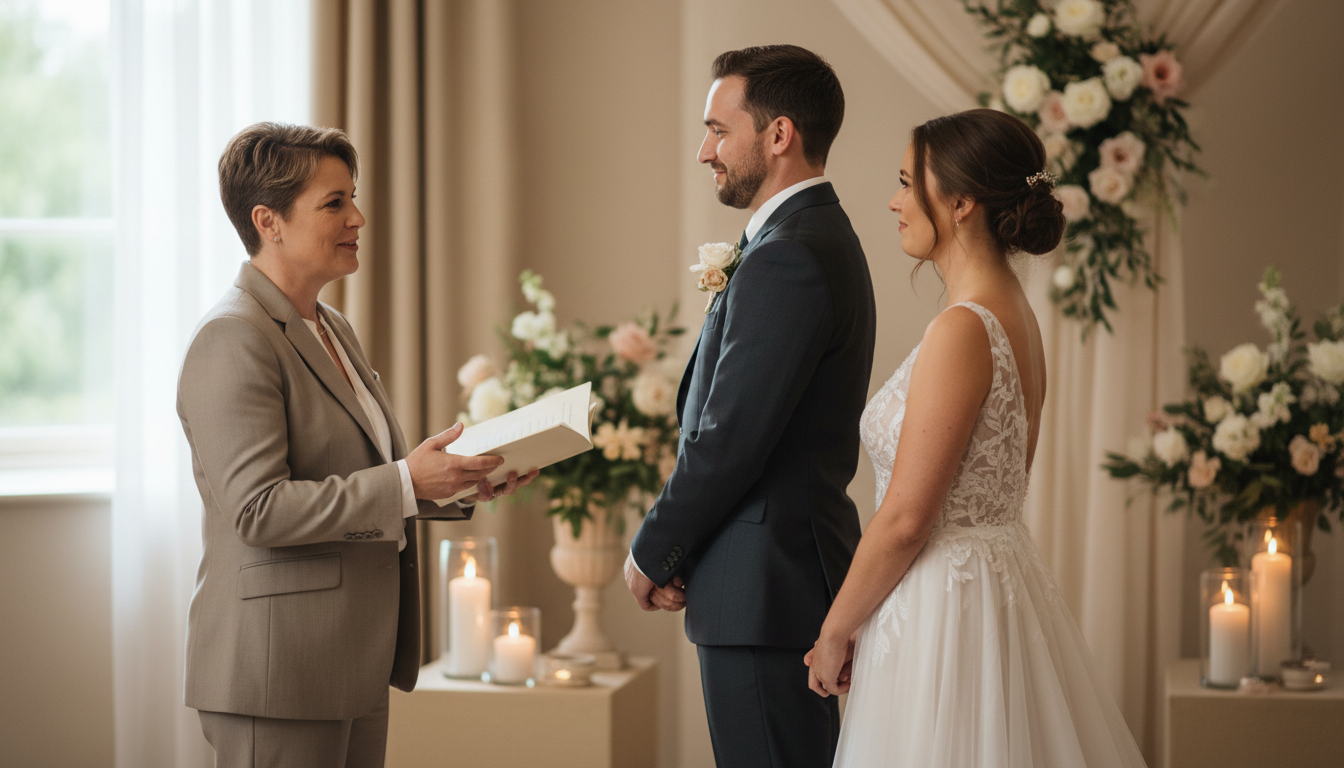
Many Christians see marriage as a sacred institution that mirrors the relationship between Christ and the Church. This symbolic representation is often cited as a reason to maintain traditional definitions of marriage, emphasizing the spiritual significance attributed to this covenant.
Concerns About Religious Freedom
Another layer of the opposition to gay marriage within Christian circles stems from concerns about religious freedom. Some Christians fear that legalizing gay marriage could lead to potential conflicts with religious practices and teachings. They argue that being compelled to recognize or facilitate gay marriages could infringe on their right to practice their faith as they interpret it.
These concerns often bring about debates over the balance between religious rights and civil rights, highlighting the complexities involved in reconciling faith-based beliefs with societal changes.
Dialogue and Evolving Perspectives
Despite traditional opposition, there is a growing movement within Christianity towards inclusivity and acceptance. Many Christians are engaging in dialogues that seek to understand and embrace diverse perspectives, recognizing the need for compassion and empathy in these discussions.
This shift is evident in various denominations and communities that are re-evaluating their stance on gay marriage, aiming to align their faith with principles of love and equality.
Conclusion
The opposition to gay marriage within Christianity is rooted in a complex interplay of scriptural interpretations, traditions, and concerns about religious freedom. While these elements form the foundation of the traditional viewpoint, it is clear that perspectives are evolving. As conversations continue, the emphasis on understanding, respect, and love remains pivotal for fostering a more inclusive dialogue.