The Role of Traditional Marriage in Building Stronger Families
Understanding Traditional Marriage
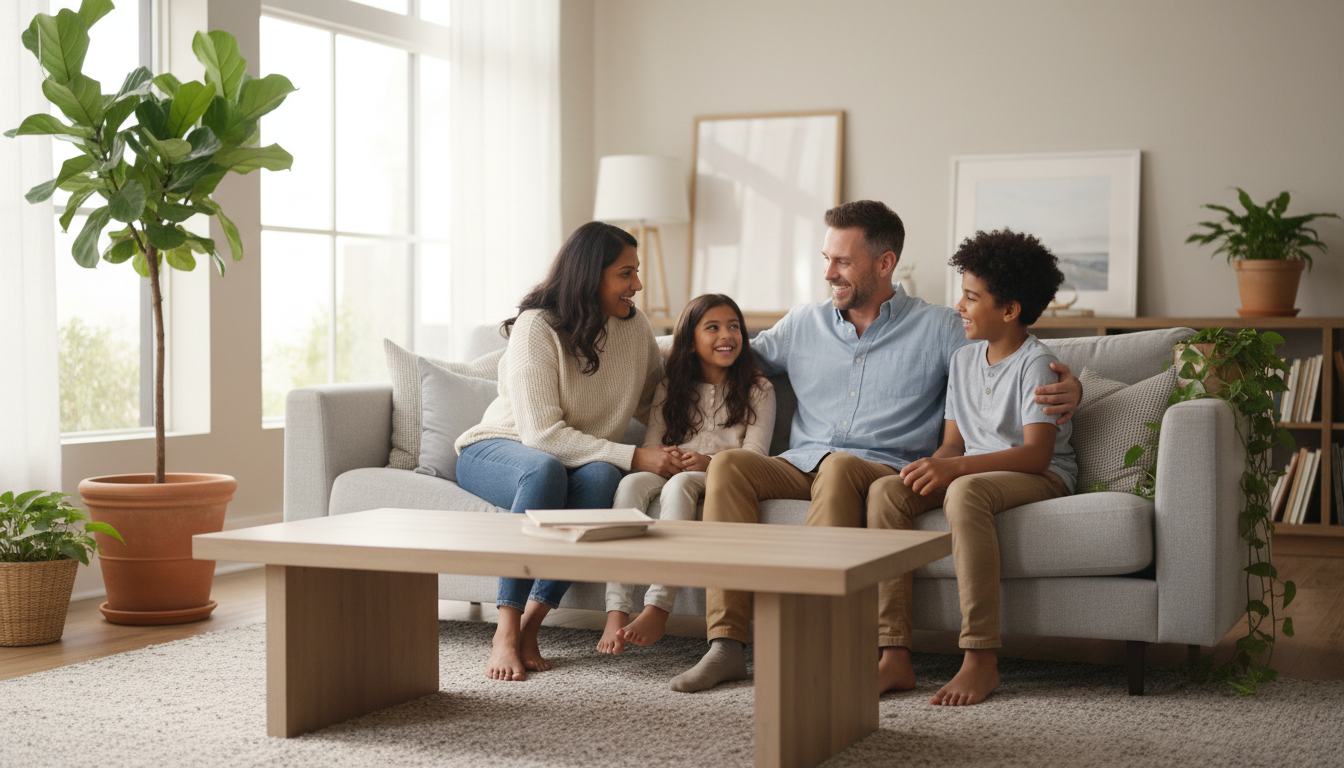
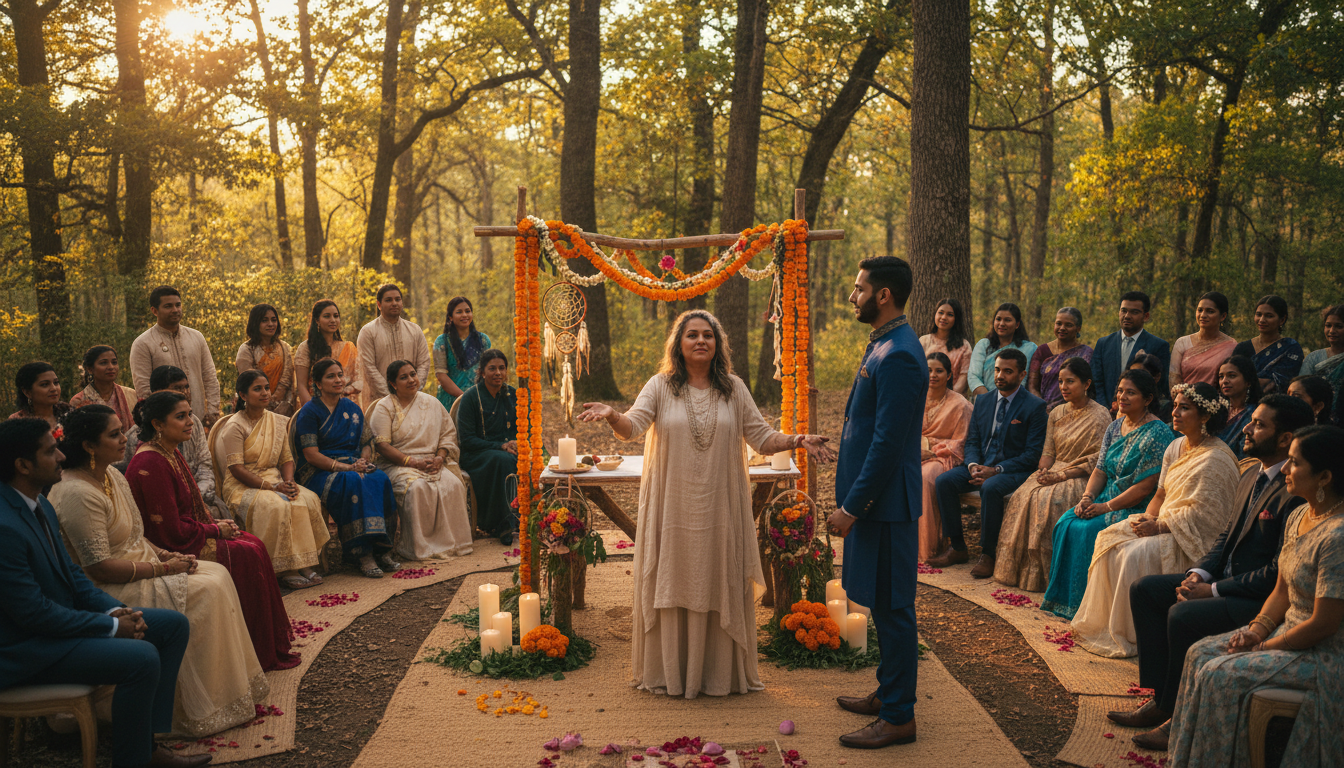
Traditional marriage, often defined as the union between a man and a woman, has long been viewed as a cornerstone of family life across many cultures. It is seen not just as a personal commitment but as a societal institution that fosters stability and continuity. In this modern era, where various forms of relationships are recognized, traditional marriage still holds a significant place in building stronger families.
One of the key aspects of traditional marriage is the emphasis on a long-term commitment. This commitment provides a stable environment for raising children, ensuring they receive consistent care and guidance. It also establishes a framework for mutual support and shared responsibilities between partners.
The Benefits of Traditional Marriage for Families
Emotional and Financial Stability
A traditional marriage often brings emotional stability, as partners are committed to working through challenges together. This stability can create a nurturing environment for children, who benefit from seeing cooperative problem-solving and emotional resilience in action.
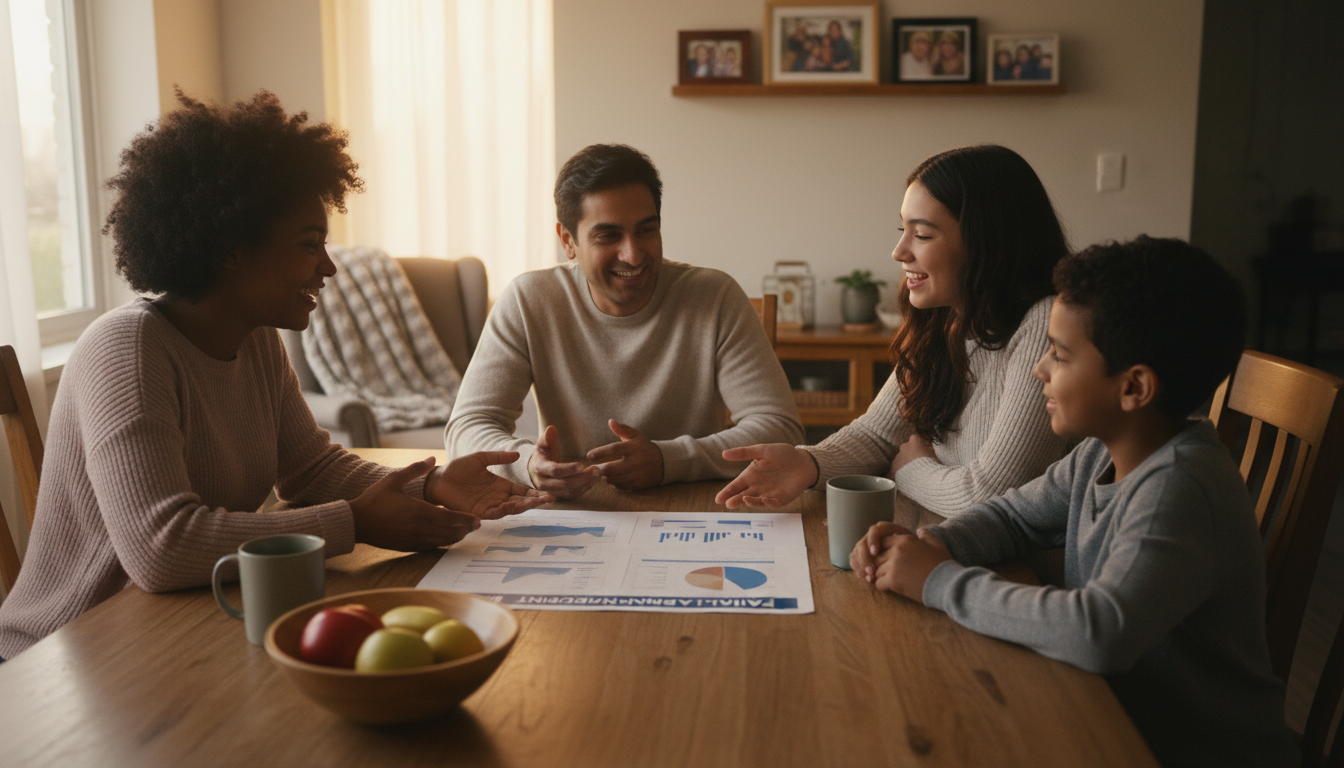
Financial stability is another important benefit. Married couples often share resources, which can lead to better financial planning and security. This pooling of resources can provide more opportunities for children, such as better education and extracurricular activities.
Role Modeling and Socialization
Traditional marriage serves as a platform for role modeling. Children observe and learn from the relationship dynamics between their parents, which can influence their own future relationships. By witnessing healthy communication and collaboration, children develop skills that are crucial for their social development.
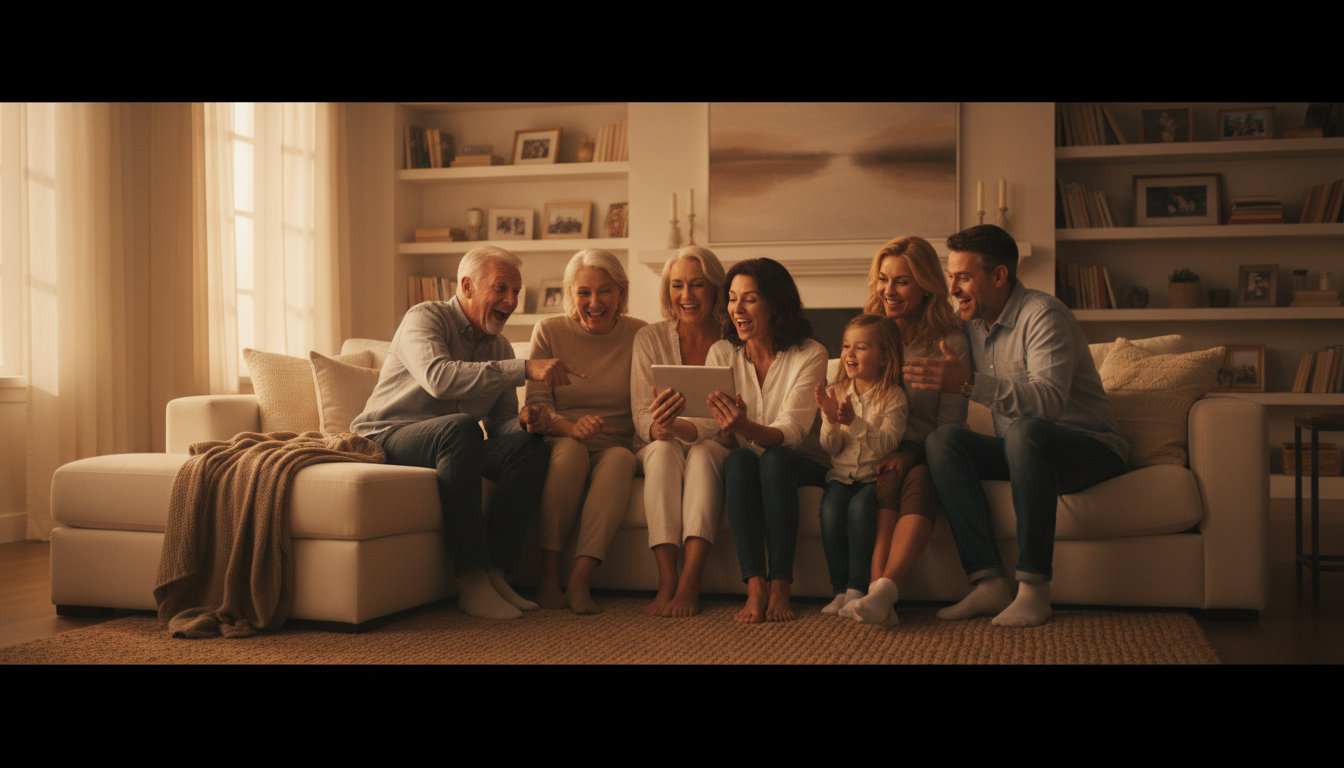
Moreover, traditional marriages often involve extended family networks, which provide additional support and socialization opportunities. Grandparents, aunts, uncles, and cousins can play pivotal roles in a child's upbringing, contributing to a well-rounded development.
The Challenges and Adaptations
Addressing Modern Challenges
Despite its benefits, traditional marriage faces several modern challenges. Changing gender roles, economic pressures, and evolving social norms require adaptability. Couples need to communicate effectively and be willing to redefine roles to maintain a harmonious relationship.
Flexibility is key. While the traditional model offers a framework, it's important for couples to tailor their marriage to fit their unique circumstances and values. Embracing change while staying committed to core principles can strengthen the bond and enhance family stability.
Integrating Modern Values
Integrating modern values such as equality and shared responsibilities can enrich traditional marriages. By promoting an equitable partnership where both partners contribute to decision-making and household duties, couples can create a more balanced and fulfilling family life.
Ultimately, the role of traditional marriage in building stronger families lies in its ability to adapt while providing a solid foundation of love, support, and commitment. By blending tradition with modern insights, families can thrive in today's complex world.