The Role of Faith in Upholding Traditional Marriage Values
Understanding the Connection Between Faith and Traditional Marriage
Faith has long played a pivotal role in shaping societal norms and values, particularly when it comes to marriage. For many, traditional marriage is not just a social contract but a sacred bond. This perspective is often rooted in religious teachings that view marriage as a divine institution. Faith communities around the world emphasize the spiritual significance of marriage, seeing it as a covenant that mirrors the relationship between the divine and humanity.
Religious texts and doctrines often provide guidance on the roles and responsibilities of partners within a marriage. These teachings are seen by believers as timeless truths that help maintain the sanctity and stability of the marital union. By upholding these values, faith communities seek to foster strong family structures that serve as the foundation of society.
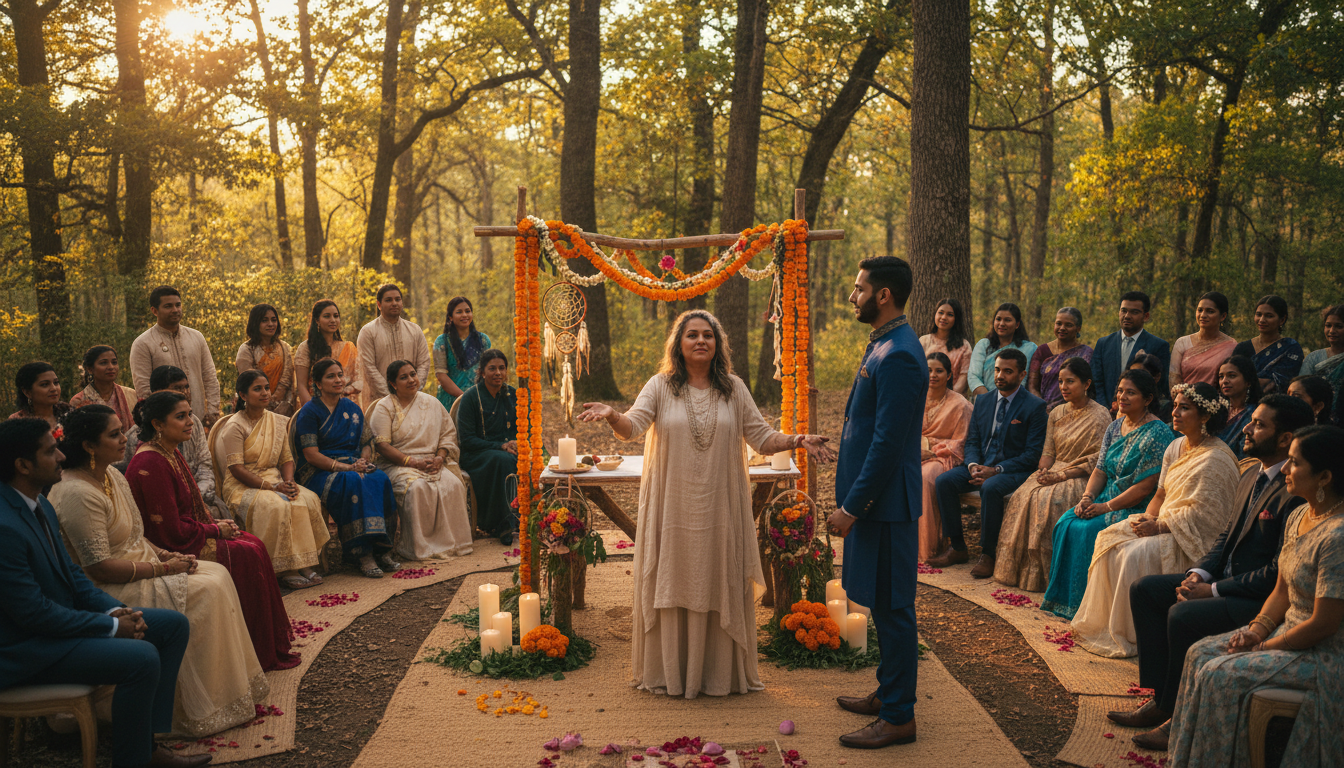
The Impact of Faith-Based Communities
Faith-based communities play an instrumental role in promoting traditional marriage values. These communities offer support and guidance to couples, helping them navigate the challenges of married life. Through counseling, mentorship, and community events, religious organizations provide a support network that encourages couples to honor their marital commitments.
Moreover, faith communities often serve as a source of accountability, encouraging individuals to uphold their vows and work through difficulties rather than opting for separation or divorce. This community support can be crucial in helping couples maintain a harmonious and enduring marriage.

Challenges and Criticisms
Despite the positive role faith can play in upholding traditional marriage values, it is not without its challenges and criticisms. Some argue that rigid adherence to traditional norms can be limiting and fail to account for the evolving nature of modern relationships. Others point out that the interpretation of religious texts can vary, leading to differing views on what constitutes a traditional marriage.
Critics also highlight the potential for exclusion, as strict interpretations of marriage may not recognize or support diverse family structures. This raises important questions about how faith communities can adapt and evolve while still preserving core values.
Adapting Faith to Modern Realities
To remain relevant, many faith communities are finding ways to balance traditional values with modern realities. This can involve reinterpreting religious teachings to be more inclusive or engaging in open dialogues about the challenges faced by contemporary families. By doing so, these communities aim to remain a guiding force in promoting healthy, stable marriages.

Ultimately, the role of faith in upholding traditional marriage values is a dynamic and evolving journey. It involves preserving the sanctity of marriage while also embracing change and diversity. By fostering understanding and compassion, faith can continue to be a pillar of support for couples seeking to build lasting and meaningful relationships.