The Role of Faith in Upholding Traditional Marriage Values
Understanding Traditional Marriage Values
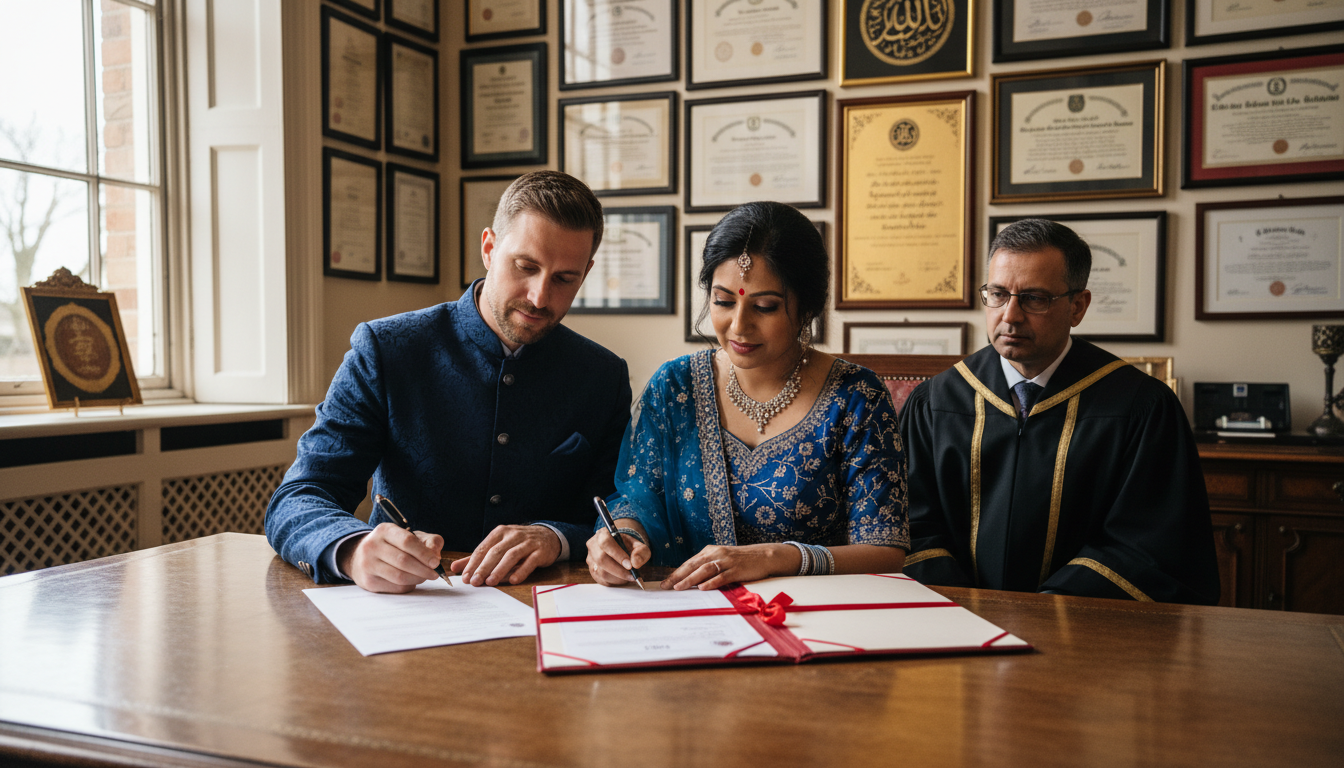
Traditional marriage values often emphasize the union between a man and a woman, focusing on commitment, fidelity, and the nurturing of family life. These values have been upheld for generations, rooted deeply in cultural, religious, and historical contexts. The role of faith in maintaining these values is significant, as it provides a moral and ethical framework guiding individuals in their relationships.
The Influence of Religious Teachings
Religious teachings often play a pivotal role in shaping individuals' perceptions of marriage. Many faiths regard marriage as a sacred covenant, a commitment not only between partners but also with a higher power. This divine aspect imbues the institution with a sense of purpose and responsibility, encouraging couples to uphold vows and persevere through challenges.
For instance, in Christianity, marriage is often seen as a reflection of the relationship between Christ and the Church, emphasizing love, sacrifice, and unity. Similarly, in Islam, marriage is regarded as half of one’s faith, underscoring its significance and the spiritual rewards of a harmonious marital life.
Faith as a Support System
Faith communities offer support systems for couples, reinforcing traditional marriage values through communal activities, counseling, and guidance. These communities provide spaces where shared beliefs strengthen couples' resolve to maintain their commitments, offering both spiritual and practical advice.

Through regular gatherings and discussions, couples can find encouragement and understanding, helping them navigate the complexities of married life. This support often extends to addressing issues such as communication, conflict resolution, and parenting, aligning with the core tenets of their faith.
The Role of Rituals and Traditions
Rituals and traditions within faith communities serve as tangible expressions of commitment and continuity. Ceremonies, anniversaries, and communal celebrations reaffirm the significance of marriage and encourage couples to renew their vows and commitments regularly.
These practices are not merely symbolic; they are powerful reminders of the values and responsibilities inherent in marriage. By participating in these rituals, couples are reminded of their shared goals and the spiritual dimensions of their union.

Challenges and Adaptations
In a rapidly changing world, the challenge lies in balancing traditional values with contemporary societal shifts. As cultural norms evolve, faith communities must adapt while maintaining core principles. This involves engaging in open dialogues, fostering inclusivity, and addressing diverse perspectives.
Despite these challenges, the role of faith in upholding traditional marriage values remains crucial. It provides a foundation upon which couples can build enduring relationships, offering stability amidst change. Through faith, individuals find the strength to honor their commitments and nurture their families.