Navigating the Debate: Christian Opposition to Gay Marriage Explained
Understanding the Roots of the Debate
The debate over gay marriage within Christian communities is both complex and multifaceted. It involves a blend of theological interpretations, cultural traditions, and evolving societal norms. Understanding the roots of this opposition requires delving into the core beliefs and values that many Christians hold dear.
For many Christians, marriage is not only a civil institution but a sacred covenant ordained by God. This belief is often based on interpretations of biblical texts, which some believe explicitly define marriage as a union between a man and a woman. This perspective is deeply ingrained in religious teachings and traditions, making the topic of gay marriage particularly sensitive.
Theological Interpretations and Beliefs
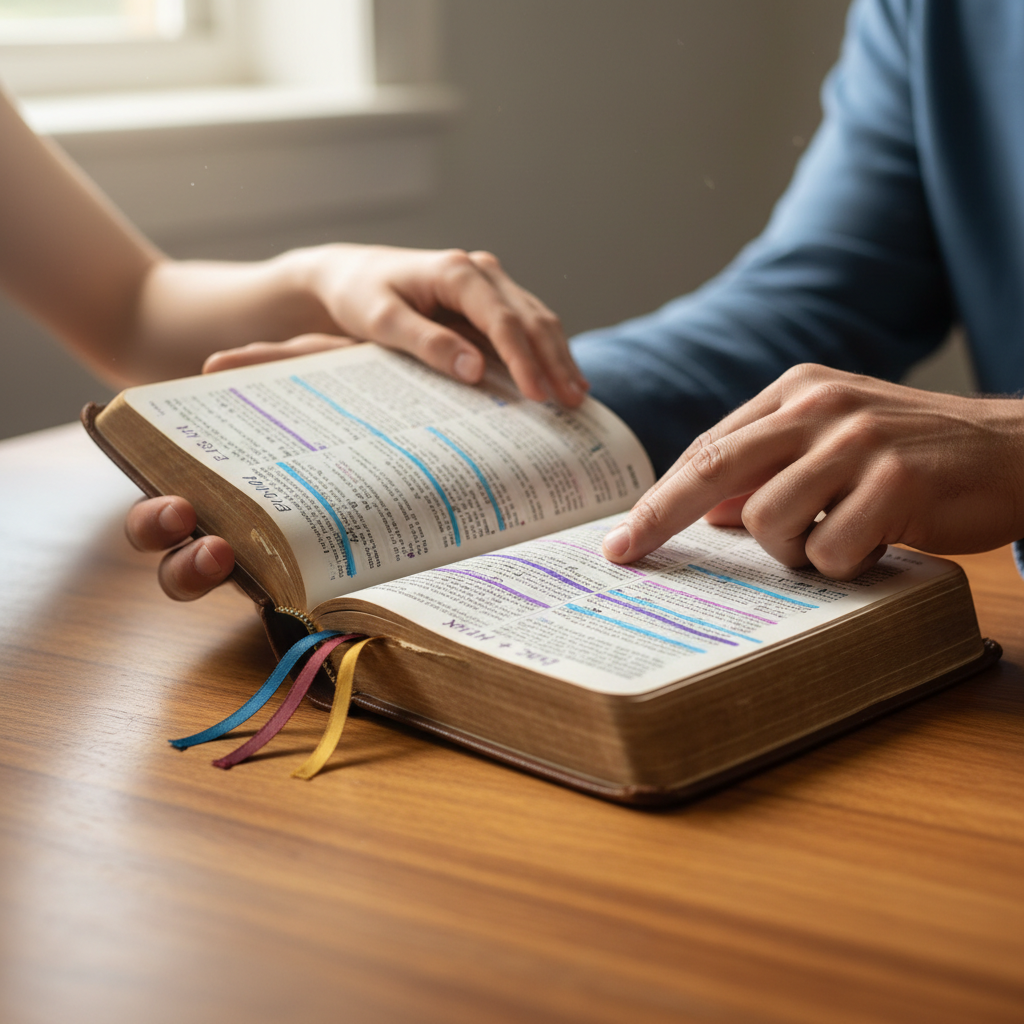
One of the primary theological arguments against gay marriage is the interpretation of certain biblical passages. Scriptures such as Genesis 2:24 and Leviticus 18:22 are frequently cited in discussions about the traditional definition of marriage. These texts are interpreted by some as a divine mandate for heterosexual unions.
However, interpretations of these scriptures vary widely within the Christian community. Some denominations and theologians argue for a more inclusive understanding, suggesting that the essence of Christian teachings is love and acceptance. This diversity of interpretation highlights the ongoing debate and the challenges faced in reaching a consensus.

Cultural and Historical Context
The opposition to gay marriage is also deeply rooted in cultural and historical contexts. Many Christians view marriage as a foundational institution that reflects the teachings of the church and the lessons handed down through generations. The idea of altering this institution can feel like a departure from longstanding traditions.
Historically, marriage has been seen as a means of fostering family units and maintaining social order, often aligned with religious teachings. The introduction of gay marriage challenges these conventional structures and prompts discussions about the evolving definitions of family and community within a Christian context.
Modern Perspectives and Shifts
In recent years, there has been a noticeable shift in some Christian communities towards a more accepting stance on gay marriage. This change is often driven by younger generations who emphasize inclusivity and the importance of aligning religious beliefs with contemporary values of equality and human rights.
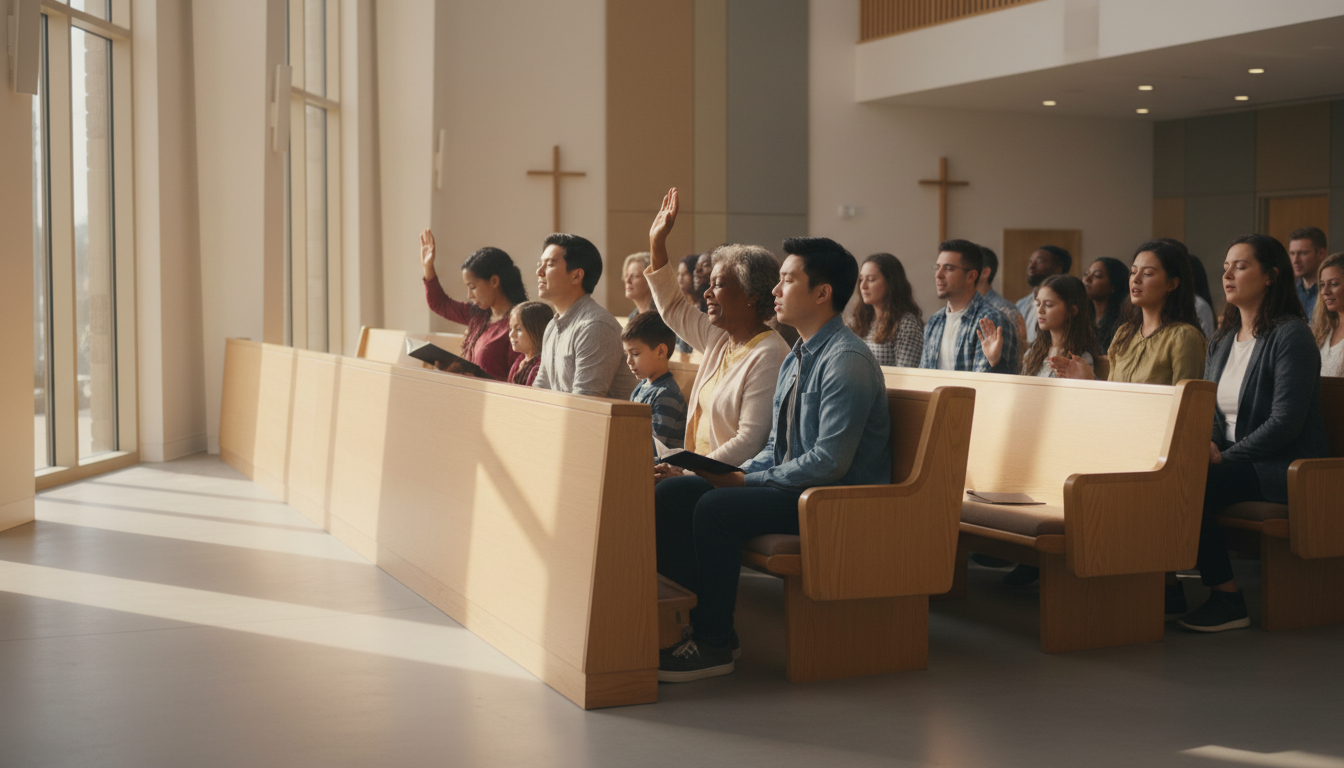
Moreover, some Christian leaders and organizations have begun to advocate for a more inclusive approach, focusing on the core Christian values of compassion and love. This shift highlights an ongoing transformation within Christianity, as believers grapple with reconciling traditional beliefs with modern societal changes.
Navigating the Conversation
For individuals navigating this debate, it is crucial to approach conversations with empathy and understanding. Recognizing the deep-seated beliefs that inform opinions on both sides can foster more productive and respectful dialogues.
Engaging in open discussions, seeking common ground, and emphasizing shared values can help bridge divides. Ultimately, the conversation about gay marriage within Christian communities is a reflection of broader societal shifts and the constant evolution of faith and beliefs.