Navigating Controversy: Addressing Common Misconceptions About Traditional Marriage Advocacy
Understanding Traditional Marriage Advocacy
Traditional marriage advocacy is a complex topic often surrounded by misunderstandings. Advocates typically emphasize the cultural, religious, and historical significance of traditional marriage, yet this perspective can be misinterpreted. It's important to explore these views with an open mind to foster a more informed discussion.
Common Misconceptions
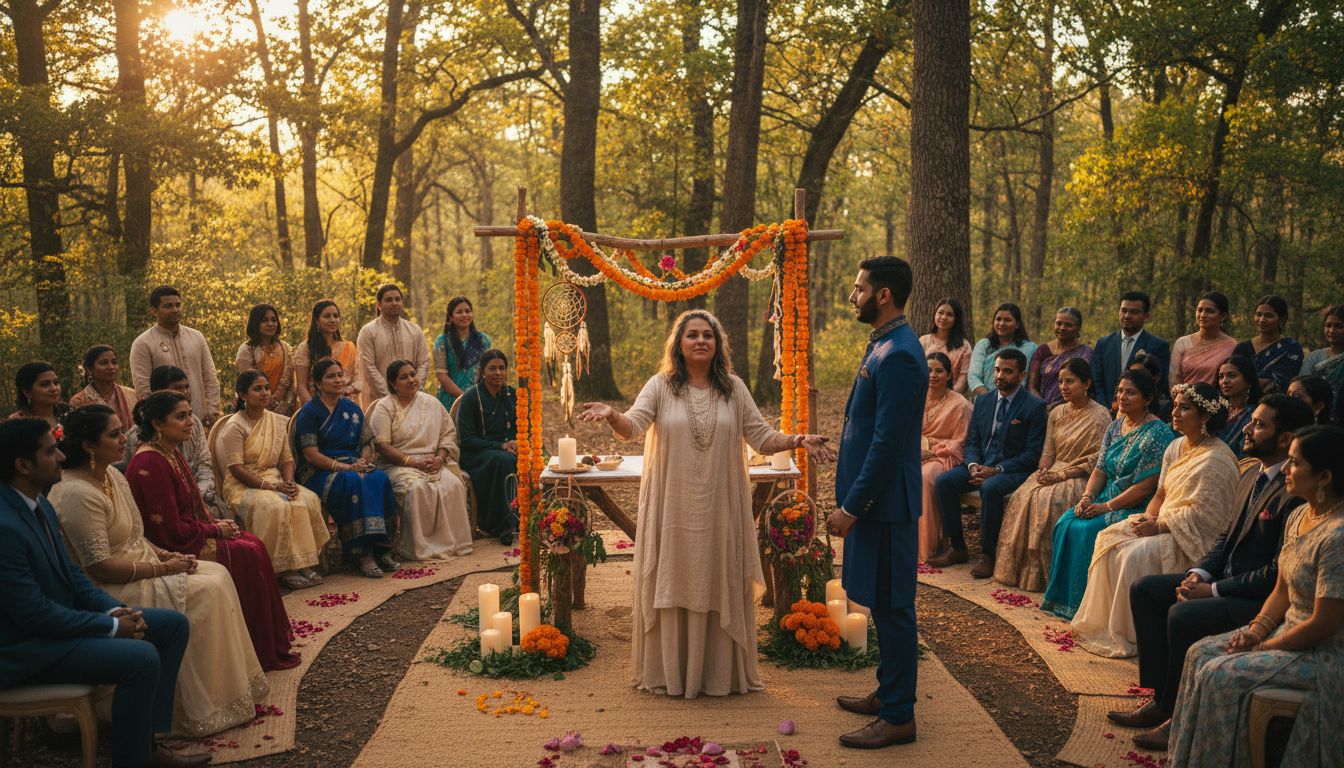
One major misconception is that traditional marriage advocacy is inherently exclusive or discriminatory. However, many advocates argue that their support stems from a desire to preserve cultural heritage and religious beliefs rather than exclude others. Understanding the roots of these beliefs can help clarify their true intentions.
Another misunderstanding revolves around the belief that traditional marriage advocates are resistant to change. In reality, many supporters recognize societal evolution but wish to maintain certain traditions they hold dear. This balance between tradition and progress is often at the heart of their advocacy.
The Role of Religion and Culture
For numerous advocates, religion plays a pivotal role in their support for traditional marriage. Many religious doctrines view marriage as a sacred institution, and adherents see advocacy as a way to uphold these spiritual values. Recognizing this perspective can help demystify their motivations.
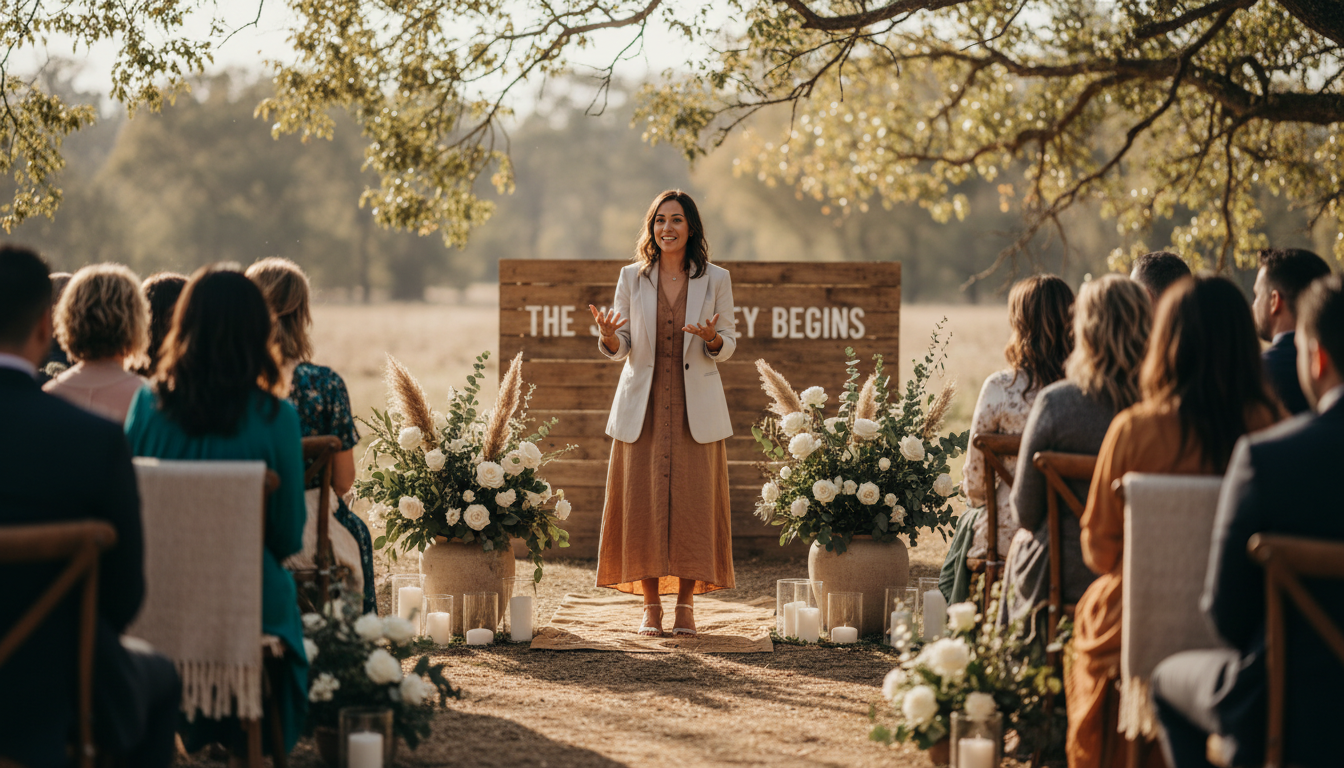
Culture is another significant factor. Traditional marriage often embodies cultural practices and rituals passed down through generations. Advocates argue that preserving these customs is essential to maintaining cultural identity and continuity.
Addressing Criticisms
Critics often claim that traditional marriage advocacy ignores contemporary social dynamics. Advocates counter by emphasizing that their perspective is not about denying others' rights but about celebrating and preserving their own. This distinction is crucial in understanding the broader dialogue.
Furthermore, supporters highlight the importance of dialogue and mutual respect. They encourage open discussions to bridge gaps between differing views, fostering an environment where diverse perspectives are acknowledged and respected.

Moving Forward
Moving forward, it's vital for both advocates and critics to engage in conversations rooted in empathy and understanding. By acknowledging the motivations behind traditional marriage advocacy, individuals can work toward a more inclusive and respectful society.
Ultimately, the goal is not uniformity but harmony. Embracing diverse viewpoints while respecting traditional beliefs can lead to a more cohesive community where everyone's rights and traditions are honored.