Myth-Busting: Common Misconceptions About Christian Opposition to Same-Sex Marriage
Understanding the Complexity of Christian Views
When discussing Christian opposition to same-sex marriage, it's crucial to recognize that the Christian community is not a monolith. There are diverse interpretations and beliefs within Christianity, which influence individual and collective stances on social issues. Some denominations and congregations fully support same-sex marriage, while others oppose it based on their understanding of religious texts.

Myth 1: All Christians Are Against Same-Sex Marriage
A common misconception is that all Christians are universally opposed to same-sex marriage. In reality, there is a wide spectrum of beliefs. Many Christian denominations, such as the United Church of Christ and the Episcopal Church, openly support same-sex marriage. These groups interpret Biblical teachings in a way that emphasizes love and inclusivity.
On the other hand, some Christians adhere to a more traditional interpretation of scripture, which they believe defines marriage strictly as a union between a man and a woman. It’s important to understand these varied perspectives to foster a more nuanced discussion.
Myth 2: Christian Opposition is Based Solely on Hate
Another misconception is that opposition to same-sex marriage among Christians is purely rooted in hate or discrimination. While there are certainly instances where prejudice plays a role, many Christians oppose same-sex marriage due to their interpretation of religious teachings and a desire to adhere to what they believe is a divine mandate.
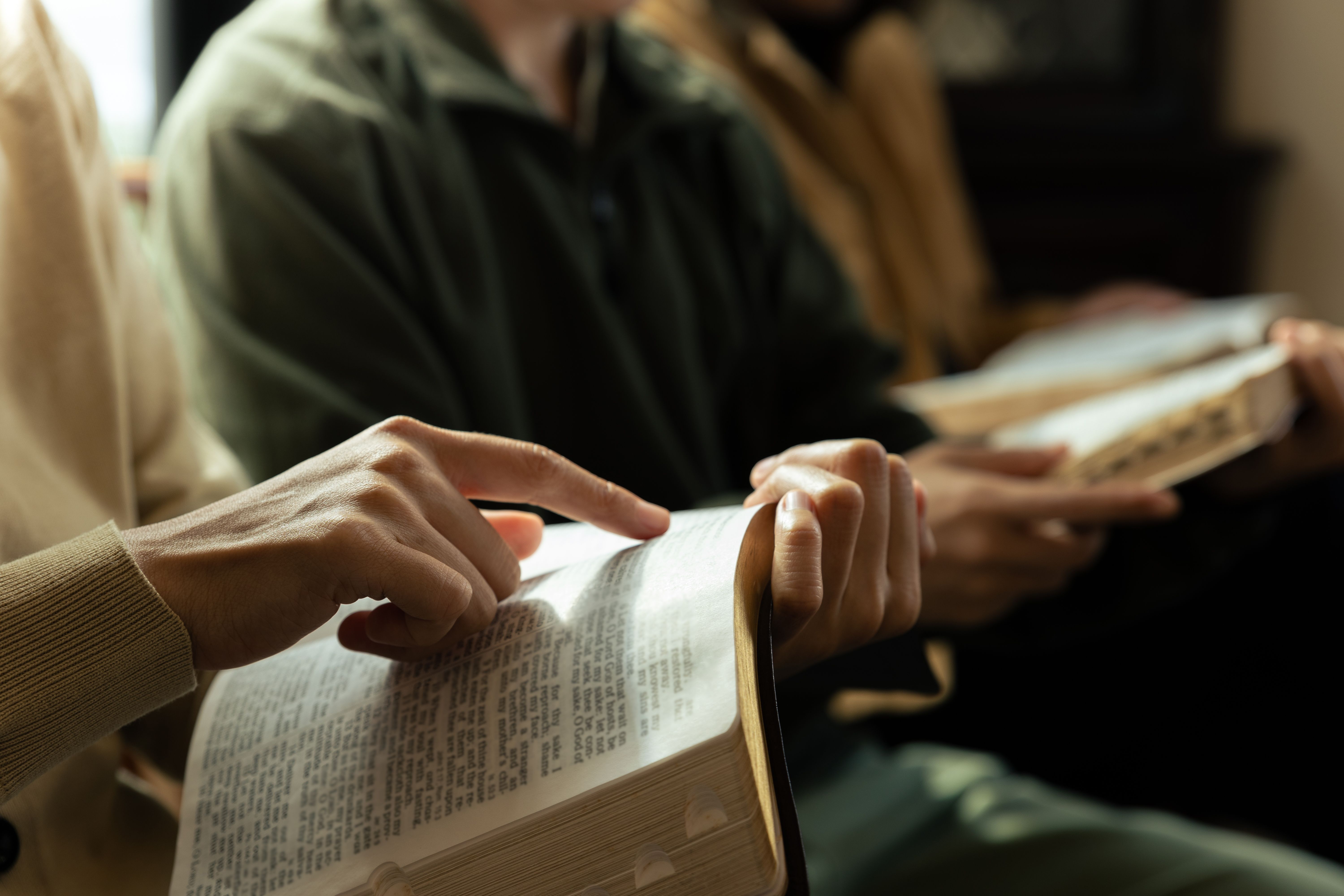
For these individuals, the issue is less about personal animosity and more about a commitment to their faith and its teachings. Engaging in respectful dialogue can help bridge understanding between differing viewpoints.
Myth 3: The Bible Has a Clear Stance on Same-Sex Marriage
One of the most debated topics is whether the Bible explicitly addresses same-sex marriage. While certain passages are often cited in arguments against it, others contend that these texts are open to interpretation and might not directly apply to contemporary understandings of marriage and relationships.
Some theologians argue that the essence of Biblical teachings revolves around love, compassion, and justice, which can be interpreted to support same-sex unions. This ongoing debate highlights the complexity of religious texts and the importance of context in interpretation.
Myth 4: Christian Opposition is Static and Unchanging
Another myth is that Christian opposition to same-sex marriage is fixed and unchanging. However, history shows that religious beliefs and interpretations can evolve over time. As society progresses, many Christian groups have reevaluated their stances on various social issues, including same-sex marriage.
Dialogue, education, and personal experiences often contribute to these evolving perspectives. Engaging with different viewpoints can promote growth and understanding within religious communities.
Moving Towards Greater Understanding
Addressing these myths is essential for fostering dialogue and understanding between those with differing views on same-sex marriage. By acknowledging the diversity within Christianity and the complexity of interpreting religious texts, we can create a more inclusive and empathetic conversation.
Ultimately, whether individuals agree or disagree on the issue, promoting respectful dialogue and mutual understanding is key to navigating these challenging discussions.