Growing Support for Traditional Marriage Values: A Texas Perspective
The Historical Context of Traditional Marriage in Texas
In Texas, traditional marriage values have long been a cornerstone of the cultural landscape. Rooted in deep-seated beliefs and historical practices, these values emphasize the union between a man and a woman as an essential societal building block. Over the years, these principles have been passed down through generations, reinforcing the importance of family and community.
As one of the most populous states in the U.S., Texas plays a significant role in shaping national conversations around marriage and family values. The state's diverse population contributes to a rich tapestry of perspectives, but traditional marriage continues to hold a significant place in the hearts of many Texans.
The Influence of Religious and Cultural Beliefs
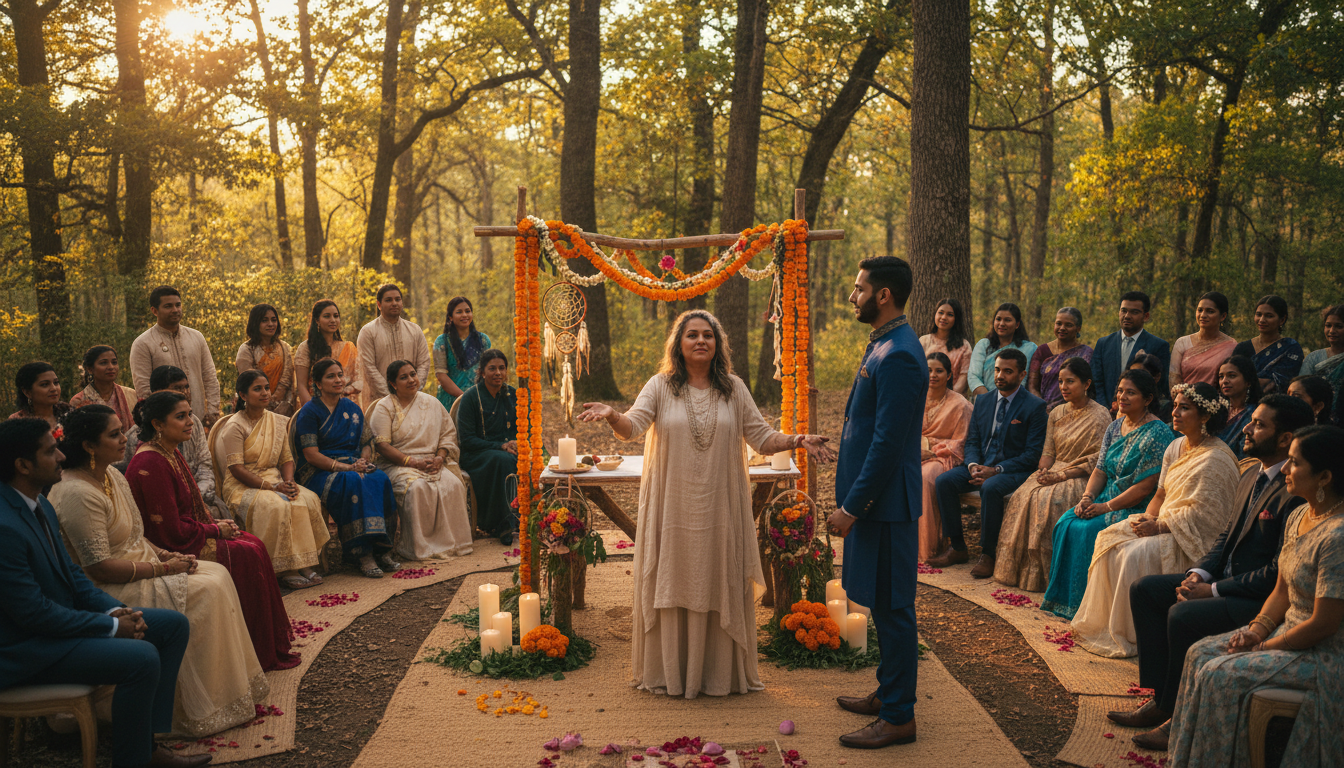
Religious beliefs are a major influence on the support for traditional marriage in Texas. Many communities view marriage as a sacred institution ordained by God, which reinforces their commitment to traditional values. Churches and religious organizations frequently host events and workshops to promote the sanctity of marriage.
Beyond religion, cultural traditions also play a critical role. Texas, with its blend of Hispanic, African American, Anglo, and Native American cultures, has a rich history that often emphasizes family unity and strong marital bonds. These cultural narratives continue to inspire support for traditional marriage values.

Modern Challenges and Adaptations
Despite strong support, traditional marriage values face challenges in modern society. As societal norms evolve, there is an increasing push for more inclusive definitions of marriage. This has led to some tension between preserving traditional values and embracing new perspectives.
Many Texas communities have found ways to adapt while still retaining their core beliefs. This includes fostering dialogue between different groups and promoting mutual respect. By doing so, they aim to bridge the gap between traditional and contemporary views on marriage.

Educational Initiatives and Community Involvement
Educational programs and community involvement are key strategies used to support traditional marriage values in Texas. Schools and community centers often host workshops and seminars that focus on the importance of marriage and family. These programs highlight the benefits of strong marital relationships and offer guidance on maintaining them.
Community events, such as family-oriented festivals and marriage retreats, are also popular. These gatherings provide opportunities for families to connect and reinforce their commitment to traditional values. They also serve as a platform for sharing experiences and supporting one another.
The Role of Legislation and Policy
State legislation and policies have a significant impact on marriage values in Texas. Laws that support traditional marriage frameworks can influence public sentiment and reinforce these values. Legislative decisions often reflect the prevailing cultural attitudes, underscoring the importance of community involvement in shaping policy.
Advocacy groups play a crucial role in this process, working to ensure that the voices of those who uphold traditional marriage values are heard. These groups often engage in outreach efforts to inform and educate lawmakers about the importance of preserving these values.

Looking to the Future
As Texas continues to grow and evolve, the conversation around traditional marriage values is likely to remain dynamic. While challenges will persist, the strong foundations built on faith, culture, and community support offer a resilient platform for these values.
Ultimately, the future of traditional marriage values in Texas will depend on the ability of its people to adapt, engage in meaningful dialogue, and uphold their beliefs while respecting the diverse perspectives that make the state unique. Through continued education and community engagement, Texans can ensure that these values remain a vital part of their cultural identity.