Faith and Marriage Laws: Navigating Changes in Texas
Understanding the Intersection of Faith and Marriage Laws
In recent years, the landscape of marriage laws in Texas has undergone significant changes, prompting many to explore how these shifts intersect with religious beliefs. For many Texans, faith plays a crucial role in their understanding of marriage, making it essential to navigate these changes thoughtfully.
As laws evolve, individuals and religious communities must consider how to align their practices and beliefs with legal requirements. Understanding these dynamics can help maintain the integrity of both personal faith and societal responsibilities.
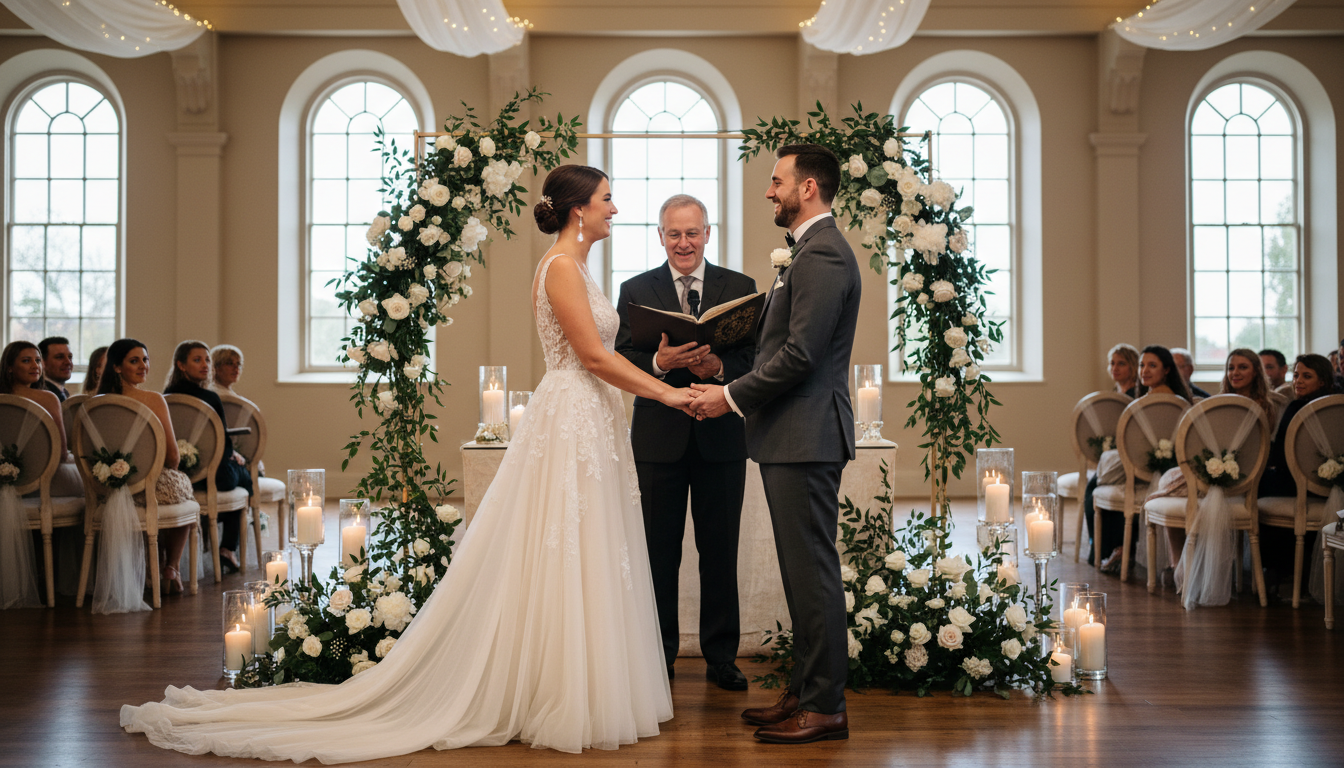
The Evolution of Marriage Laws in Texas
Texas has experienced several legislative changes impacting marriage definitions and rights. The legalization of same-sex marriage in 2015 marked a pivotal shift, requiring a reevaluation of how marriage is perceived in religious contexts. While many embraced the change, others faced challenges reconciling these laws with their faith traditions.
These changes have also influenced other aspects of marriage, including prenuptial agreements, property rights, and even divorce proceedings. Staying informed and engaged with these legal updates is crucial for Texans seeking to navigate their marriage within the state.
Faith-Based Perspectives on Marriage
Faith communities often hold diverse views on marriage, influenced by religious texts and traditions. These perspectives can vary widely, even within the same faith tradition. Some communities have embraced broader definitions of marriage, while others maintain traditional views.
Engaging in open dialogue within faith communities can foster understanding and respect for differing opinions. This approach encourages cooperation and acceptance, even amidst differing beliefs about marriage.

Navigating Legal and Faith-Based Challenges
For individuals and couples, balancing legal requirements with personal faith can present challenges. Consulting with legal professionals who understand both the legal and religious implications can provide valuable guidance. This dual understanding helps ensure that marriage decisions honor both the law and personal convictions.
Religious leaders and communities also play a vital role in this process. By offering support and resources, they can assist members in making informed decisions about their marriages. These resources might include workshops, counseling, and educational materials on the intersection of faith and law.
Looking Forward: Embracing Change and Tradition
As Texas continues to evolve, so too will the relationship between faith and marriage laws. Embracing both change and tradition can create a more inclusive and understanding environment for all Texans. This balance ensures that marriage retains its deep personal and spiritual significance, while also adapting to societal progress.

Ultimately, the journey of navigating faith and marriage laws is deeply personal. By staying informed, engaging in open dialogue, and seeking guidance, Texans can ensure that their marriages reflect both their beliefs and legal obligations. This harmonious approach can strengthen both individual and community bonds, enriching the experience of marriage for everyone involved.