Exploring the Role of Faith in Christian Opposition to Same-Sex Marriage
The Intersection of Faith and Marriage
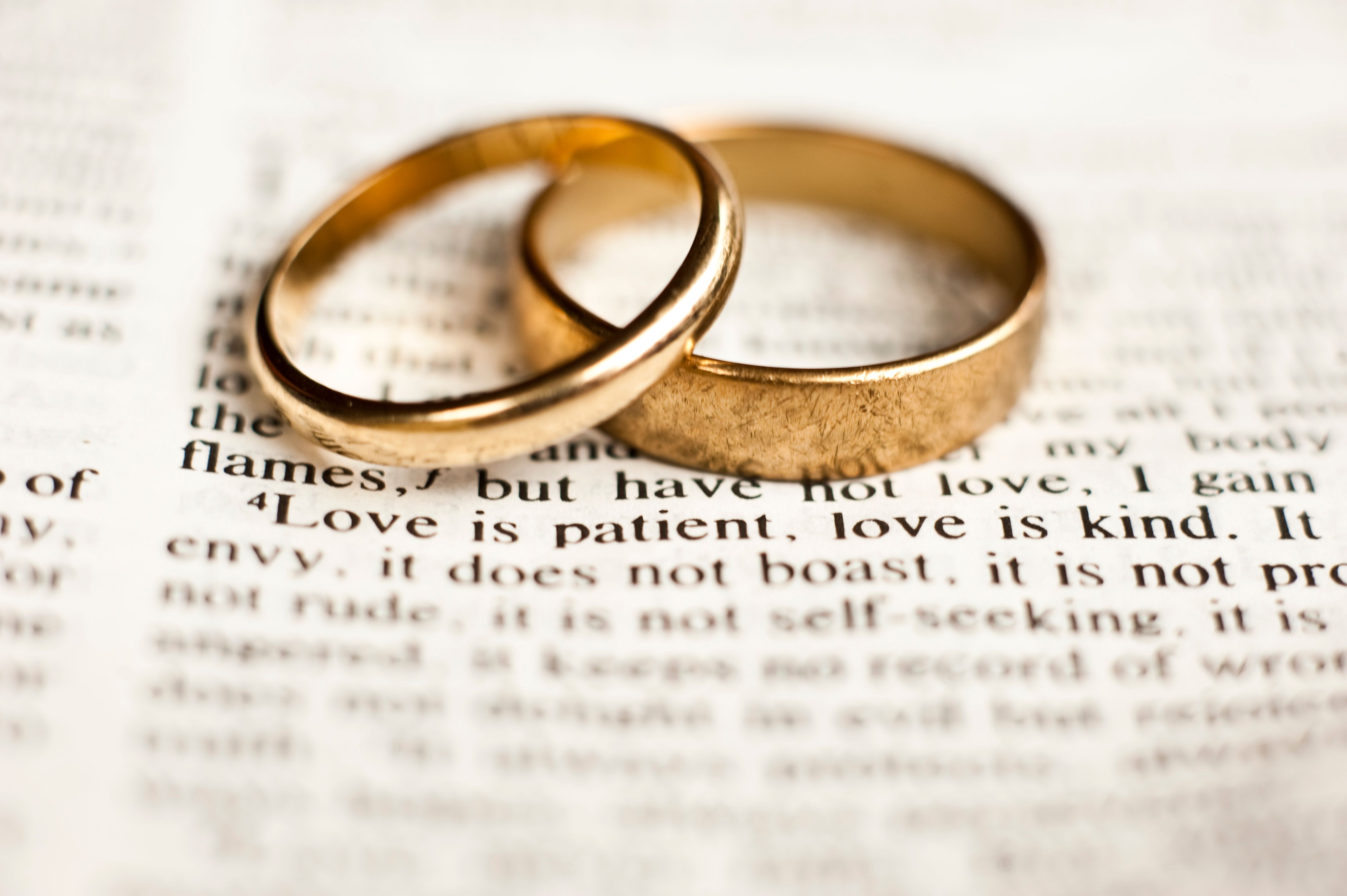
Christian opposition to same-sex marriage often stems from deeply held religious beliefs. For many Christians, marriage is not just a social contract but a sacred covenant ordained by God. This perspective is largely influenced by interpretations of Biblical scripture, which is seen as a divine guide for moral living.
Many Christians reference passages from the Bible to justify their stance, believing that these scriptures outline marriage as a union exclusively between a man and a woman. As such, the debate over same-sex marriage is not just a legal or political issue for these individuals but a profound matter of faith.
Scriptural Interpretations
Key Biblical texts often cited in this debate include passages from Genesis, Leviticus, and Romans. These scriptures are interpreted by many as clear mandates regarding the nature of marriage. However, interpretations can vary widely, even among different Christian denominations.
While some Christians adhere strictly to traditional interpretations, others adopt a more progressive reading. These differing interpretations reveal the complexity of applying ancient texts to contemporary issues and highlight the diversity within Christian thought.
The Influence of Church Doctrine
Church doctrine also plays a significant role in shaping views on same-sex marriage. Many denominations, such as the Roman Catholic Church and various evangelical branches, have formal positions opposing it. These stances are often informed by theological teachings that emphasize procreation and the complementarity of the sexes.
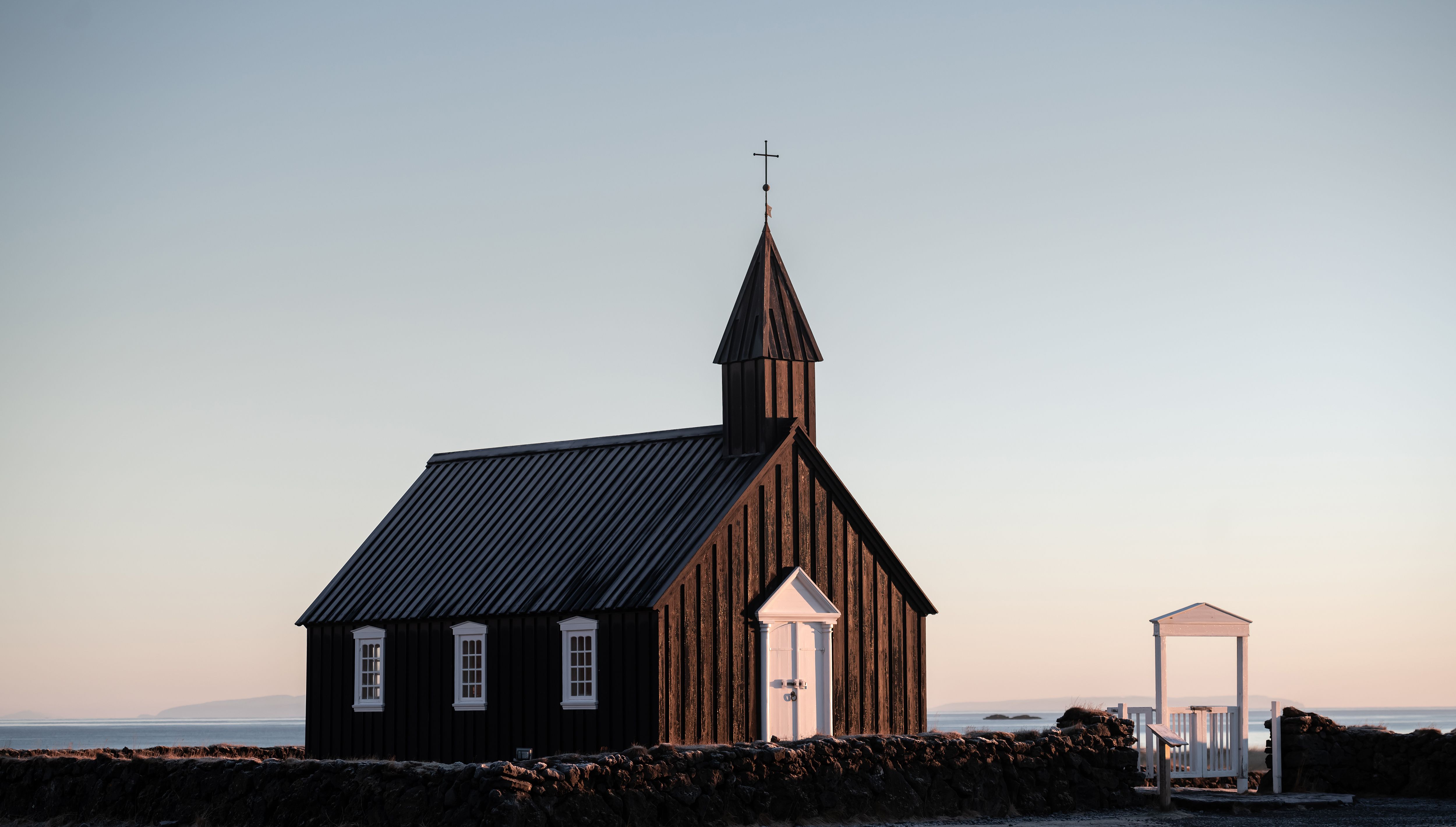
However, other denominations have embraced same-sex marriage, reflecting a more inclusive approach to faith and community. This divergence is a testament to the evolving nature of religious belief and the ongoing dialogue within the Christian community.
Personal Faith and Public Policy
The tension between personal faith and public policy is another dimension of this issue. Many Christians grapple with balancing their religious convictions with the rights and freedoms of others in a pluralistic society. This raises questions about the role of personal belief in shaping public laws and policies.
Some argue that religious beliefs should not dictate legal standards in a secular society, while others feel that their faith demands active involvement in political processes to uphold what they see as moral truths.

Pathways to Dialogue
Creating pathways for dialogue between differing viewpoints is essential for fostering understanding. Encouraging open conversations allows individuals to explore and express their beliefs while respecting others' perspectives.
Workshops, interfaith dialogues, and community forums can provide spaces for these conversations to occur, promoting empathy and reducing polarization on this contentious issue.
Conclusion: Navigating Complex Beliefs
Navigating the intersection of faith and societal change is a complex journey for many Christians. The debate over same-sex marriage is a reflection of broader questions about how religious beliefs fit within an evolving cultural landscape.
As society continues to grapple with these issues, the role of faith in shaping opinions on same-sex marriage remains a significant and evolving conversation. Ultimately, it is through respectful dialogue and mutual understanding that progress can be made.