Debunking Myths: Understanding Traditional Marriage from a Christian Perspective
Introduction to Traditional Marriage
Traditional marriage, particularly from a Christian perspective, is often surrounded by misconceptions. To fully appreciate its essence, it's important to explore its foundational principles. By debunking common myths, we can better understand the spiritual and cultural significance of marriage in Christianity.
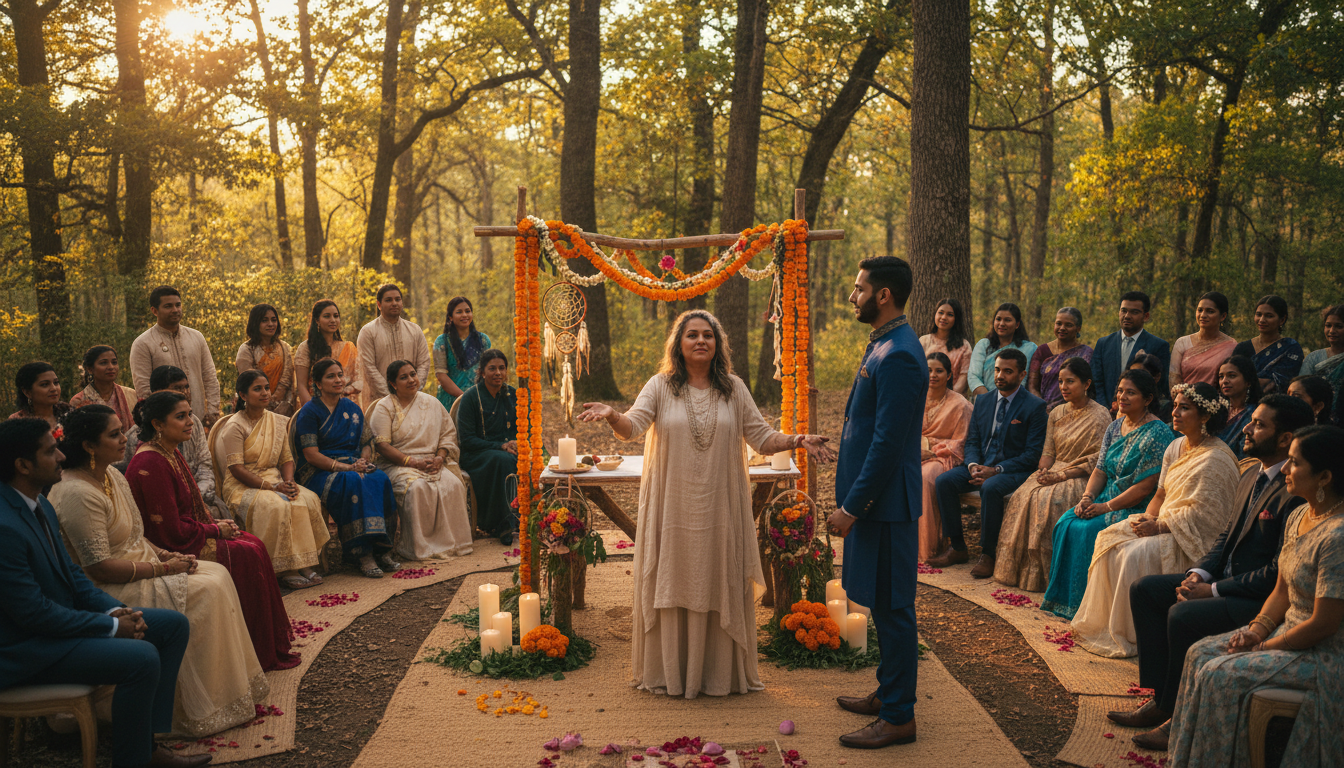
Myth 1: Traditional Marriage Is Outdated
A prevalent myth is that traditional marriage is an antiquated institution. However, many Christians believe that marriage is a sacred covenant designed by God. Far from being outdated, this view emphasizes timeless values such as commitment, love, and partnership.
The Covenant Aspect
In Christianity, marriage is seen as a covenant rather than a contract. This means it is a lifelong commitment made before God, emphasizing the spiritual dimensions of the relationship. This covenantal view underscores the belief in enduring love and faithfulness.

Myth 2: Gender Roles Are Strictly Defined
Another misconception is that traditional Christian marriage imposes rigid gender roles. While it's true that some interpretations emphasize specific roles for men and women, many Christian couples today embrace a more flexible approach. The focus is often on mutual respect and shared responsibilities.
Partnership Over Hierarchy
Many Christians view marriage as a partnership where both individuals contribute equally. The biblical principle of mutual submission, found in Ephesians 5:21, encourages couples to serve and honor each other, challenging the notion of hierarchical relationships.

Myth 3: Marriage Is Only for Procreation
Some believe that traditional marriage is solely about procreation. While having children is a significant aspect for many, Christian marriage also emphasizes companionship and mutual support. It's about building a life together, not just expanding a family.
The Importance of Companionship
The Bible highlights the importance of companionship in marriage, as seen in Genesis 2:18, where God identifies man's need for a helper. This underscores the idea that marriage is about finding a partner to share life's journey, joys, and challenges.
Myth 4: Divorce Is Never Permissible
While divorce is generally discouraged, it is not entirely forbidden in Christianity. Many denominations acknowledge circumstances where separation may be necessary, such as in cases of abuse or infidelity. The focus is often on reconciliation and healing, but understanding is extended to those in difficult situations.

Conclusion: Embracing a Balanced View
Understanding traditional marriage from a Christian perspective requires moving beyond stereotypes and recognizing the depth of its principles. By exploring these myths, we can appreciate the rich spiritual and cultural heritage that traditional marriage offers, guiding couples toward a meaningful and fulfilling partnership.