Debunking Myths: Understanding the Christian Stance on Same-Sex Marriage
Introduction
The conversation around same-sex marriage and the Christian faith often involves a complex web of beliefs, interpretations, and misunderstandings. In this article, we aim to debunk common myths and clarify the Christian stance on this important issue.

Myth 1: All Christians Oppose Same-Sex Marriage
One of the most pervasive myths is that all Christians universally oppose same-sex marriage. In reality, Christian views on this topic are diverse and can vary significantly across denominations and individual beliefs.
While some Christian groups adhere to traditional interpretations of scripture, others have embraced more inclusive approaches. Understanding this spectrum is crucial for a nuanced discussion.
Theological Interpretations
Biblical Passages
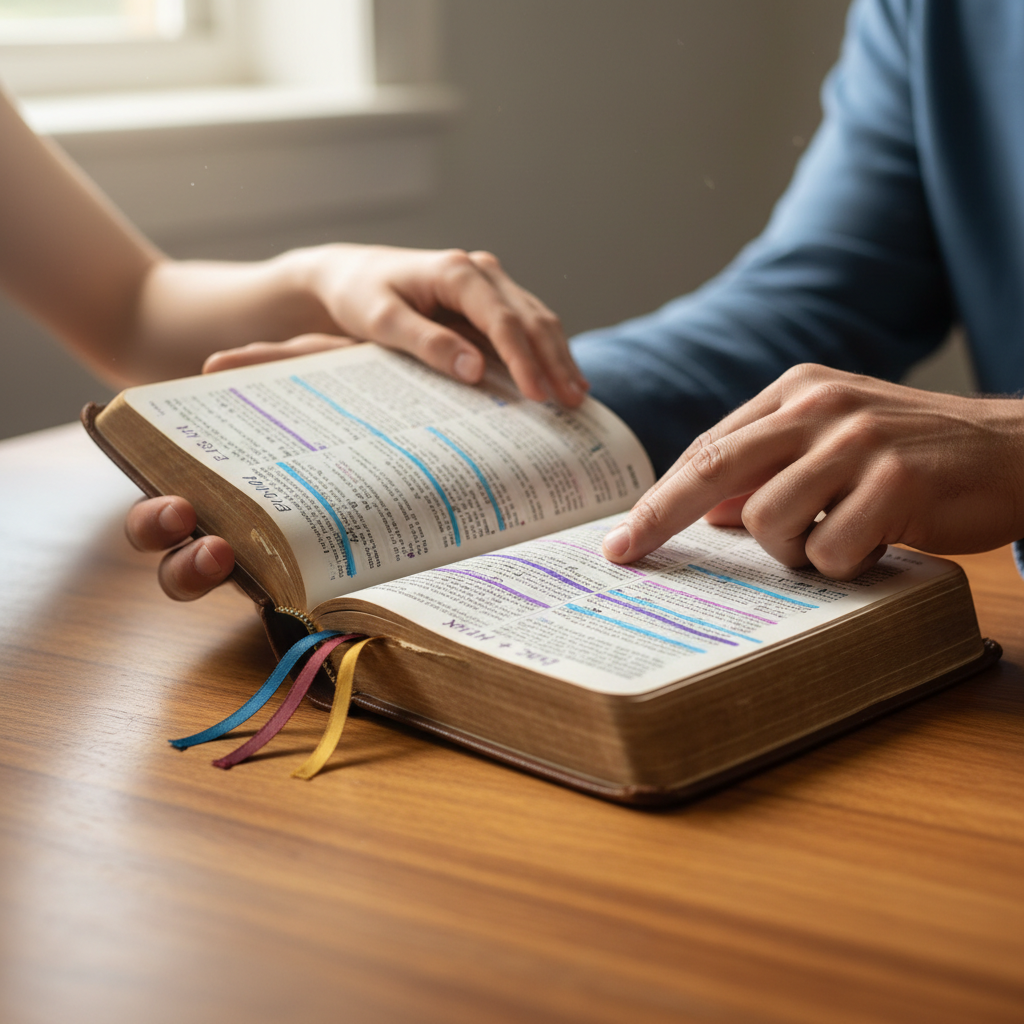
Key biblical passages often cited in the debate include those from Leviticus and Romans. However, interpretations of these scriptures are not monolithic. Many theologians argue that historical context and translation nuances play a significant role in understanding these texts.
Modern Theological Perspectives
Today, some theologians actively promote a re-examination of traditional interpretations. They suggest that the core Christian principles of love and acceptance should guide the discussion on same-sex marriage.
Churches Supporting Same-Sex Marriage
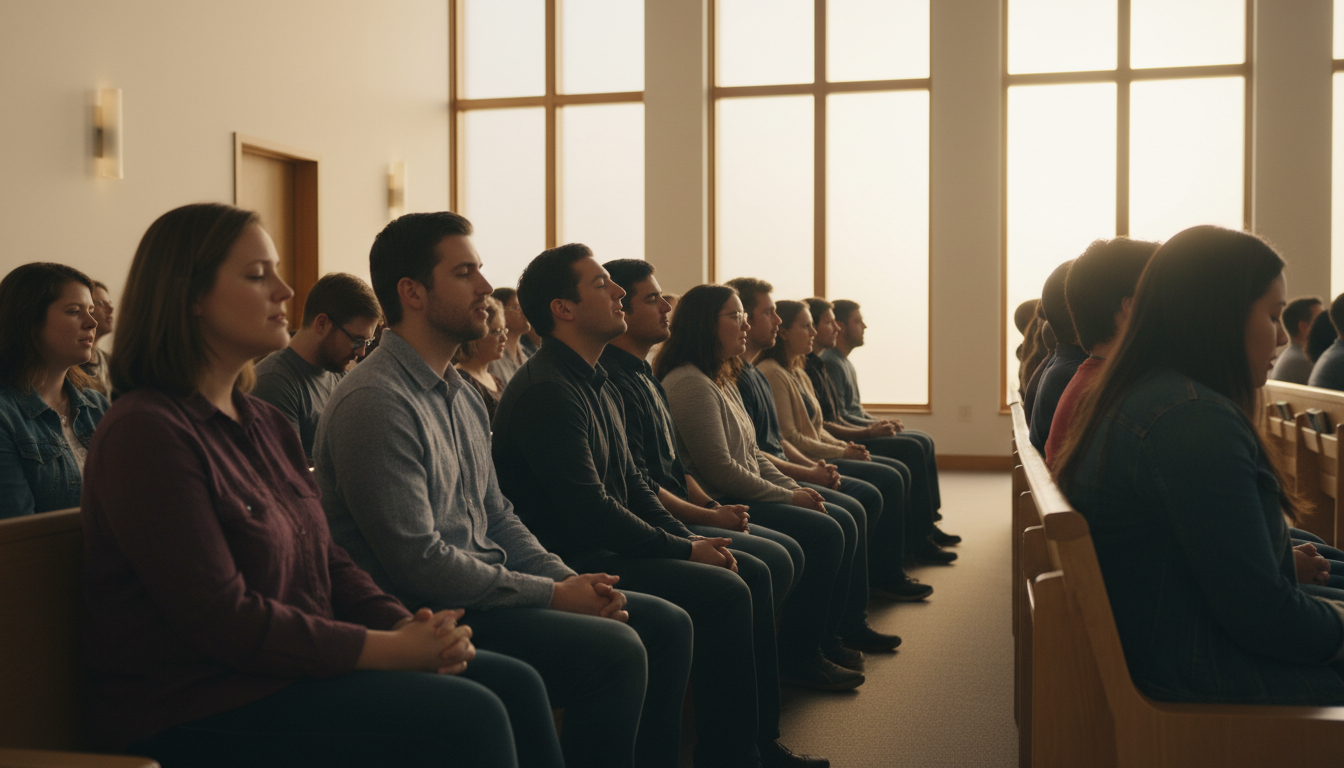
Several Christian denominations, such as the Episcopal Church and the United Church of Christ, openly support same-sex marriage. These organizations emphasize inclusivity and equality as central tenets of their faith.
- Episcopal Church
- United Church of Christ
- Evangelical Lutheran Church in America
Common Misunderstandings
Christianity and Love
A common misunderstanding is that Christianity is inherently against same-sex relationships. However, many argue that the essence of Christianity is love and compassion, which should extend to all individuals, regardless of sexual orientation.
Legal vs. Religious Marriage
It's important to differentiate between legal and religious marriage. While some Christians may oppose same-sex marriage in a religious context, they might support legal recognition based on principles of civil rights and equality.
Conclusion
Understanding the Christian stance on same-sex marriage requires moving beyond myths and acknowledging the diversity within the faith. By promoting open dialogue and empathy, we can foster a more inclusive and respectful conversation.