Debunking Myths: Common Misconceptions About Traditional Marriage Advocacy
Traditional marriage advocacy often finds itself at the center of heated debates, sometimes overshadowed by a series of misconceptions. To foster a better understanding, it's essential to debunk some of the common myths surrounding this topic.
Myth 1: Traditional Marriage Advocacy is Anti-Progressive
One common misconception is that supporting traditional marriage is inherently anti-progressive. In reality, traditional marriage advocates often seek to preserve cultural and historical aspects of marriage while encouraging discussions on evolving family dynamics. This advocacy is not about opposing progress but about valuing the foundational elements that many believe contribute to societal stability.
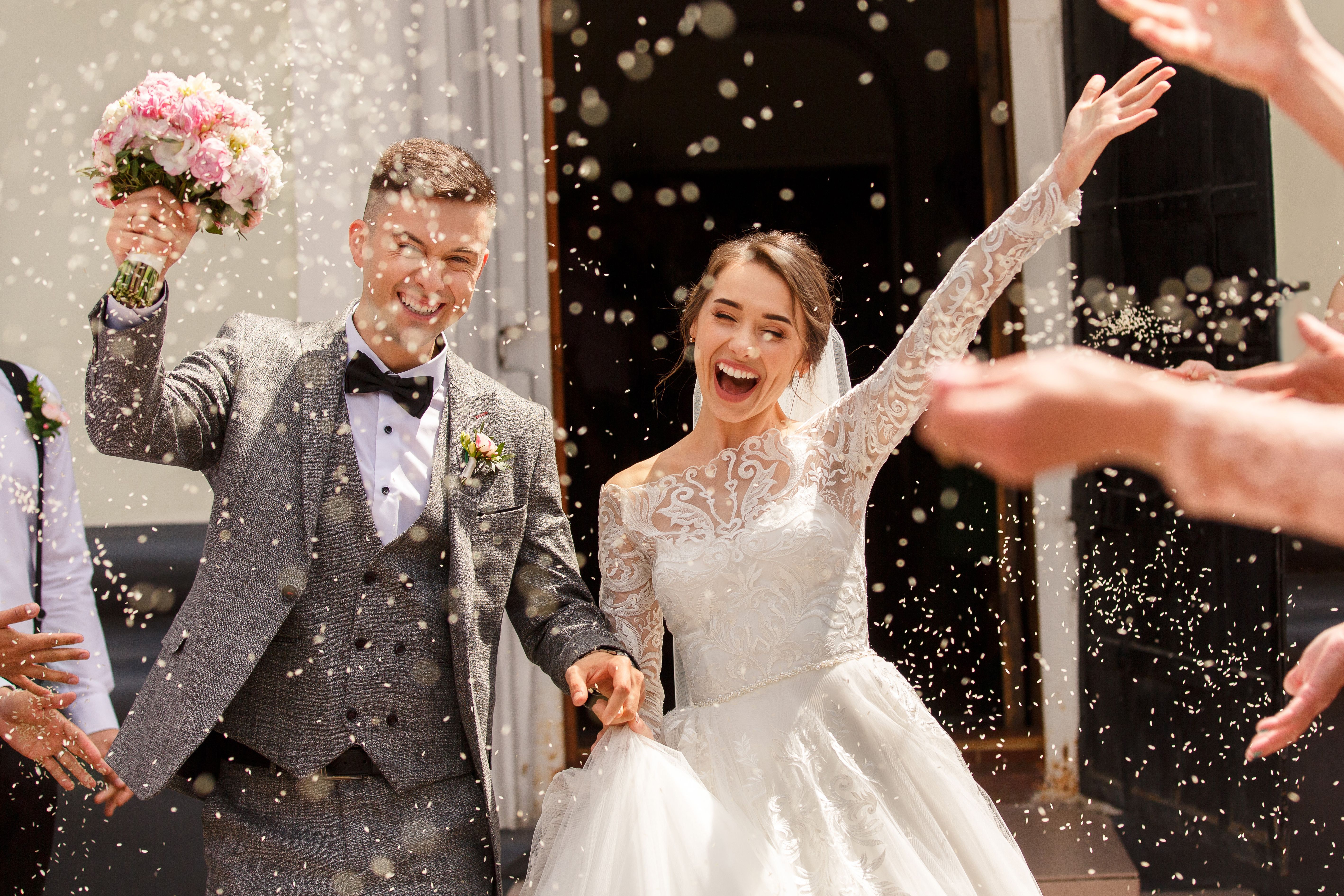
The Role of Tradition in Modern Society
Tradition plays a significant role in shaping societal norms and values. Many advocates argue that traditional marriage provides a strong foundation for community building and social cohesion. By maintaining these traditions, they aim to create environments where families can thrive.
Myth 2: Traditional Marriage Advocacy Excludes Other Family Structures
Another myth is that advocating for traditional marriage automatically excludes or devalues other family structures. This is not necessarily the case. While traditional marriage emphasizes one particular family model, it does not inherently reject the existence or legitimacy of others. Many advocates recognize and respect diverse family dynamics.

Inclusivity and Respect
Traditional marriage advocacy can coexist with a respect for diversity. Advocates often focus on promoting their values without diminishing the rights or recognition of alternative family forms. The key is fostering mutual respect and understanding across different perspectives.
Myth 3: Traditional Marriage Advocacy is Religiously Exclusive
It's a common belief that traditional marriage advocacy is solely rooted in religious doctrine. While many advocates come from religious backgrounds, the support for traditional marriage can also be based on secular beliefs and cultural heritage. These advocates argue that traditional marriage has universal benefits that transcend religious affiliations.

Cultural and Secular Perspectives
For some, traditional marriage represents an alignment with cultural practices and social customs that have withstood the test of time. This perspective emphasizes the importance of continuity and shared cultural identity, independent of religious beliefs.
Understanding the Broader Context
When addressing traditional marriage advocacy, it's crucial to understand the broader context and the nuanced motivations behind it. By debunking these myths, we can engage in more informed and respectful dialogues about marriage and family structures in modern society.