Common Misconceptions About Traditional Marriage Values in Texas
Understanding Traditional Marriage Values
Traditional marriage values in Texas often evoke images of closely-knit families and long-standing customs. However, these values are frequently misunderstood, leading to stereotypes that don't accurately reflect the reality. It's important to explore these misconceptions to gain a clearer understanding of what traditional marriage values truly mean in the Lone Star State.
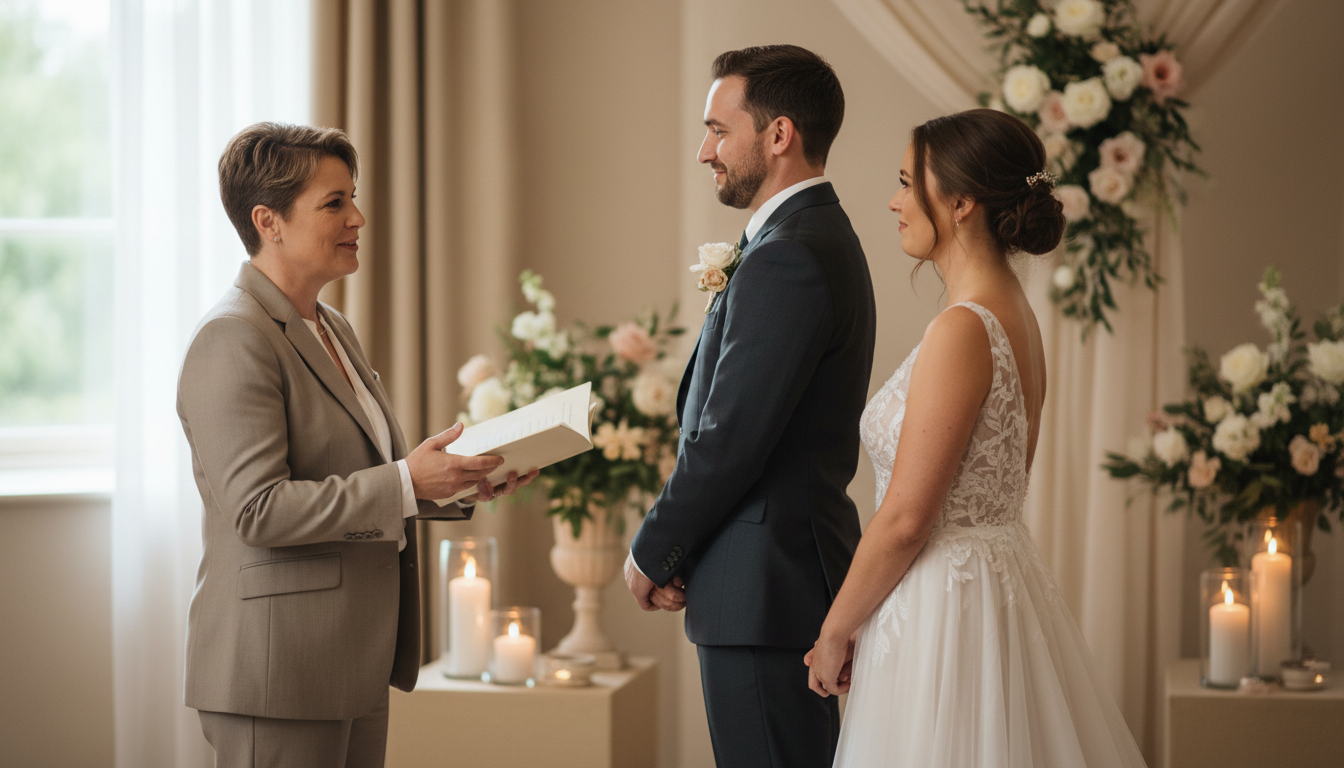
The Myth of Uniformity
One common misconception is that all traditional marriages in Texas are uniform, following a single, unvarying template. In reality, Texas is a tapestry of diverse cultures and backgrounds, each contributing unique customs and values to the institution of marriage. From Hispanic and African American communities to Asian and Native American influences, traditional values are far from monolithic.
Moreover, the idea that traditional marriages are rooted solely in religious practices is also misleading. While religion plays a significant role, many families incorporate cultural and regional traditions that are equally important.

Gender Roles and Modern Adaptations
Another misconception is that traditional marriage values in Texas rigidly define gender roles, with men as breadwinners and women as homemakers. While these roles were historically prominent, modern marriages are adapting to new societal norms. Many couples now share responsibilities, challenging outdated stereotypes and embracing equality.
Furthermore, the idea that traditional values are incompatible with modern lifestyles is unfounded. Many couples successfully blend traditional values with contemporary practices, creating marriages that honor the past while looking to the future.

Commitment and Longevity
Traditional marriage values often emphasize commitment and longevity, leading to the misconception that divorce is rare or frowned upon in Texas. While commitment remains a cornerstone, it's essential to recognize that Texans, like people everywhere, value healthy relationships. Divorce, when necessary, is viewed as a step towards personal well-being.
Additionally, the emphasis on family unity is often perceived as pressure to stay married at all costs. In reality, many traditional values support the idea of putting family first, which sometimes means making difficult decisions for the greater good.

Conclusion
In conclusion, traditional marriage values in Texas are complex and multifaceted, shaped by a myriad of cultural, religious, and personal influences. By dispelling these common misconceptions, we can appreciate the richness and diversity of marriage traditions in Texas, recognizing that they are as varied and dynamic as the people who uphold them.